 News
NewsINBAR speaks at Belt and Road Forum in Beijing

INBAR’s Director General was invited to participate at the international forum, boosting bamboo’s profile among global leaders.
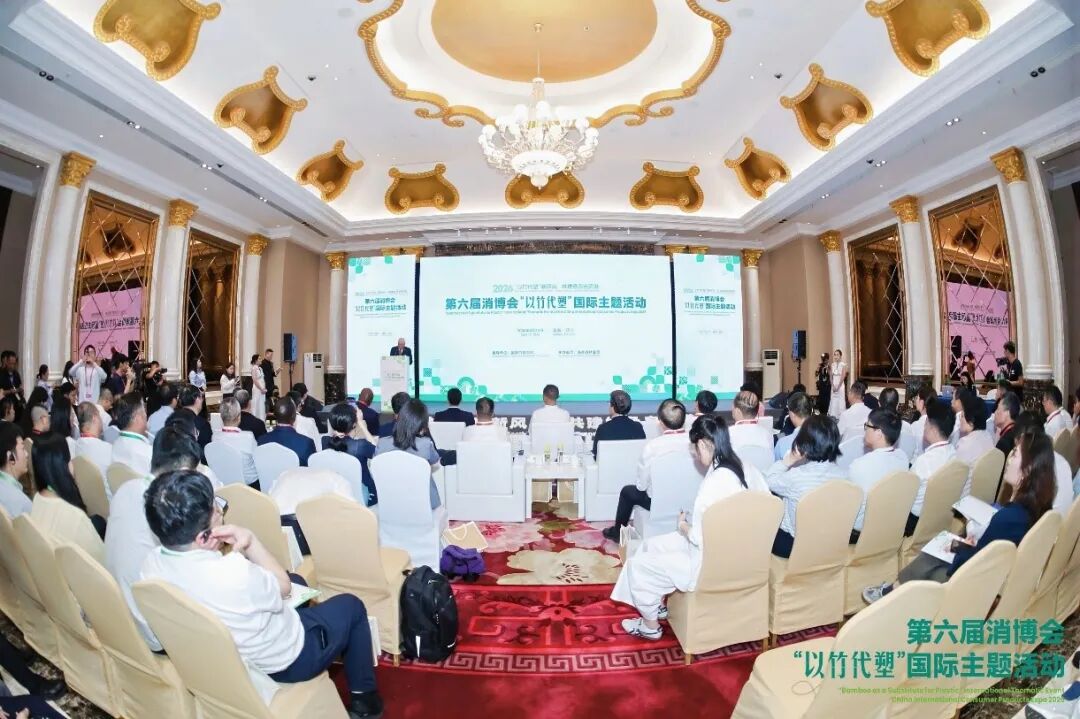
On 17 October 2023, hosted by the Belt and Road International Green Development Coalition (BRIGC) and Foreign Environmental Cooperation Center, Ministry of Ecology and Environment, China, the High-Level Seminar: Building New Vision for the Green Silkroad kicked off in Beijing.
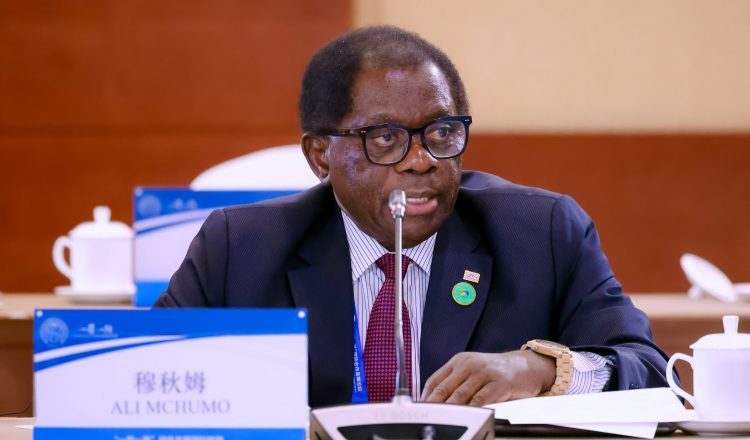
Leaders from around the world attended the key meeting, from Zhao Yingmin, China’s Vice Minister of the Ministry of Ecology and Environment to Olaya Dotel, Vice Minister of International Cooperation, Ministry of Economy, Planning and Development of the Dominican Republic. Also in attendance was Ali Mchumo, Director General of INBAR.
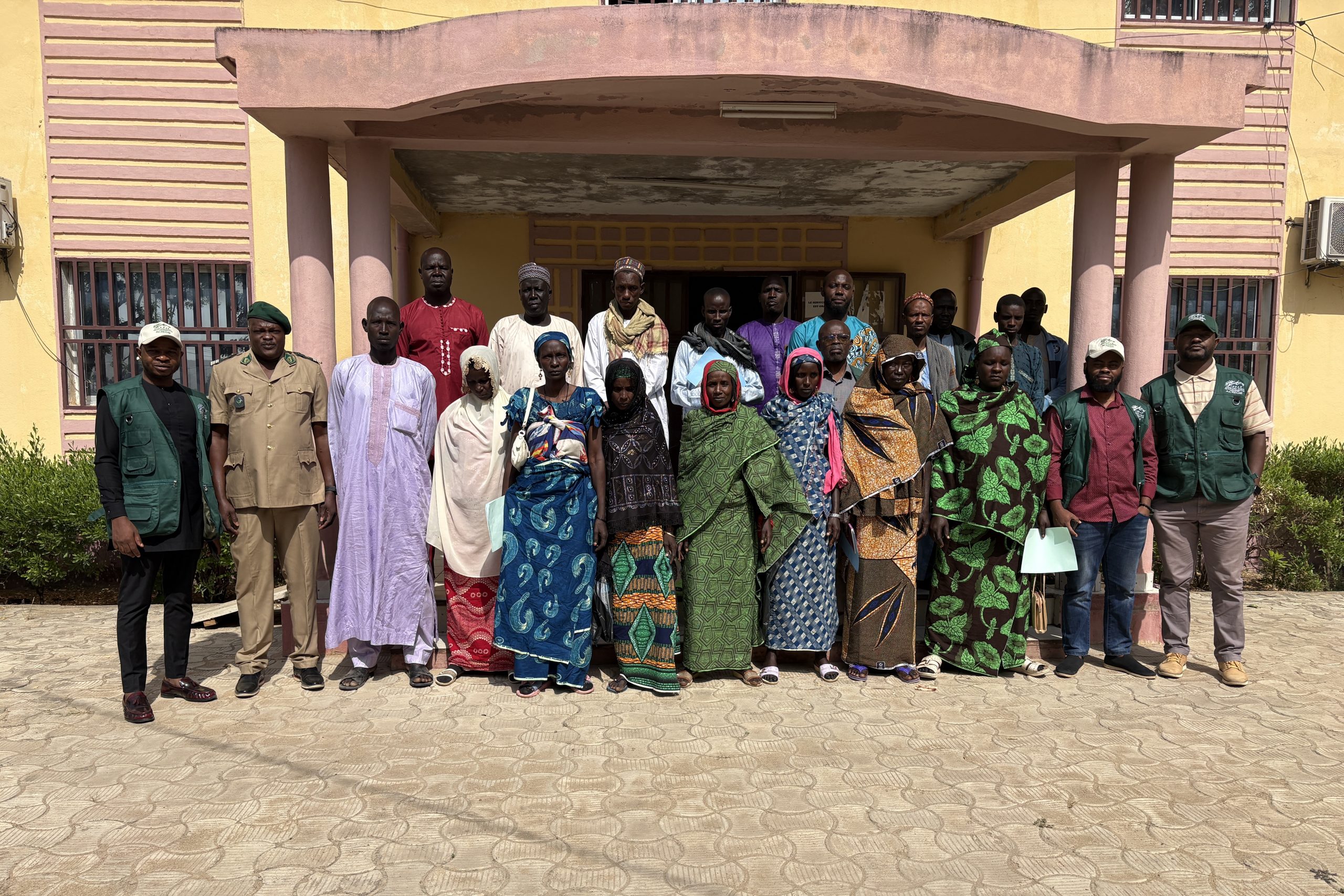
As an invited speaker, Mchumo spoke on the role of INBAR in international sustainable development using bamboo and rattan for the last 25 years. With 50 Member States and 3 Observers, many of which are from the Global South where bamboo and rattan are abundant, INBAR acts as a global knowledge broker, project implementer, and strategic model for South-South cooperation. Many of INBAR’s Member States are also participants in the Belt and Road Initiative.
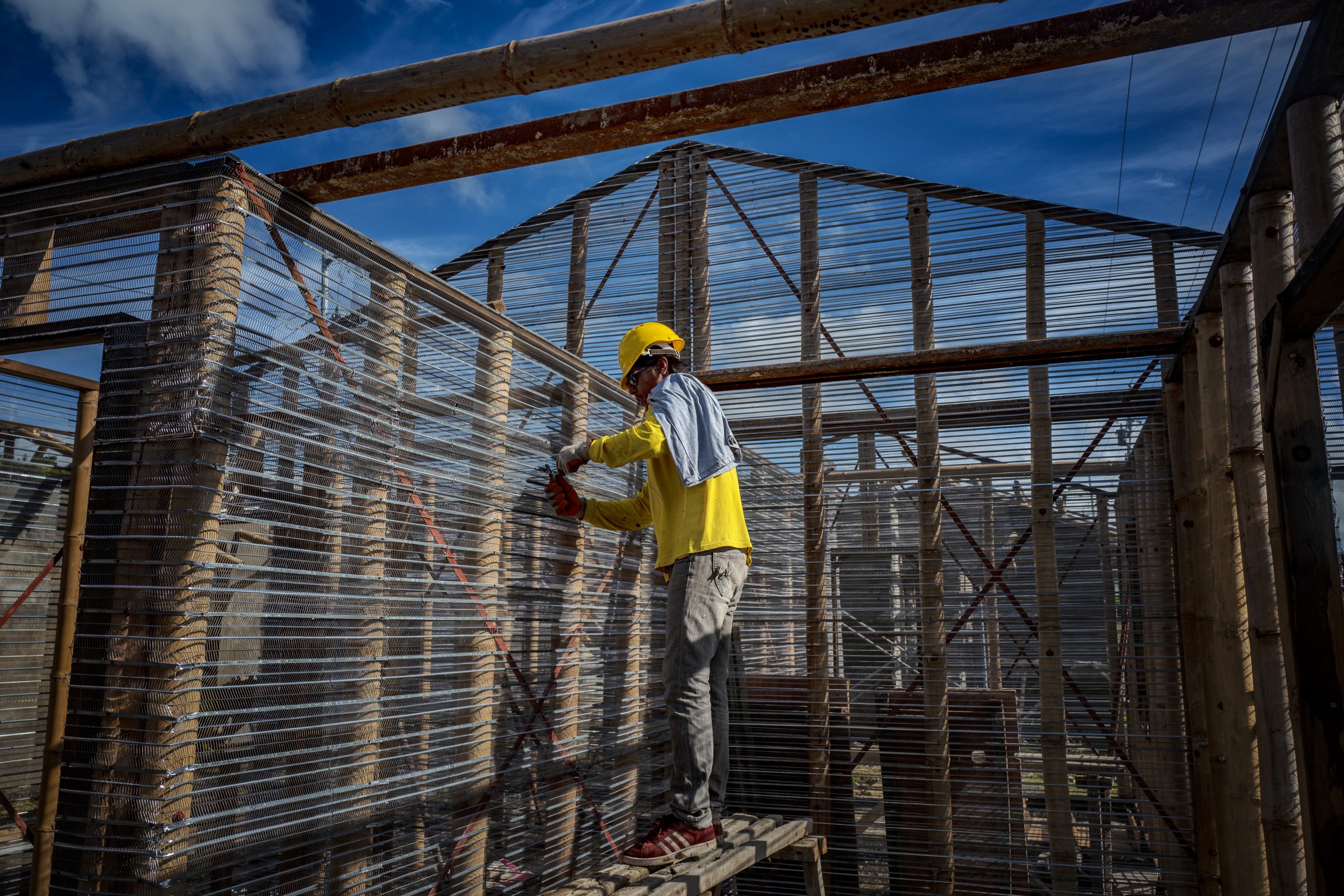
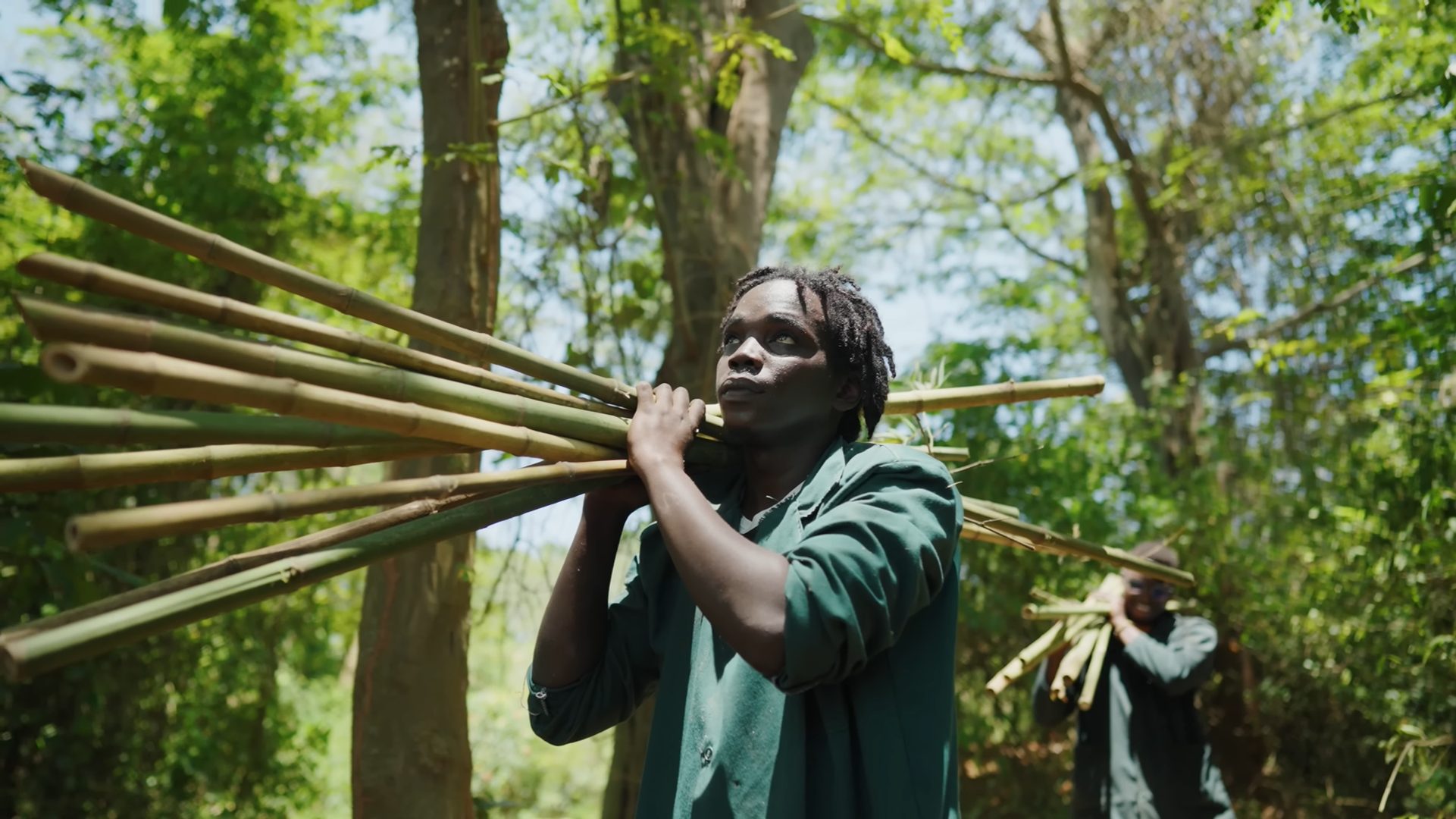
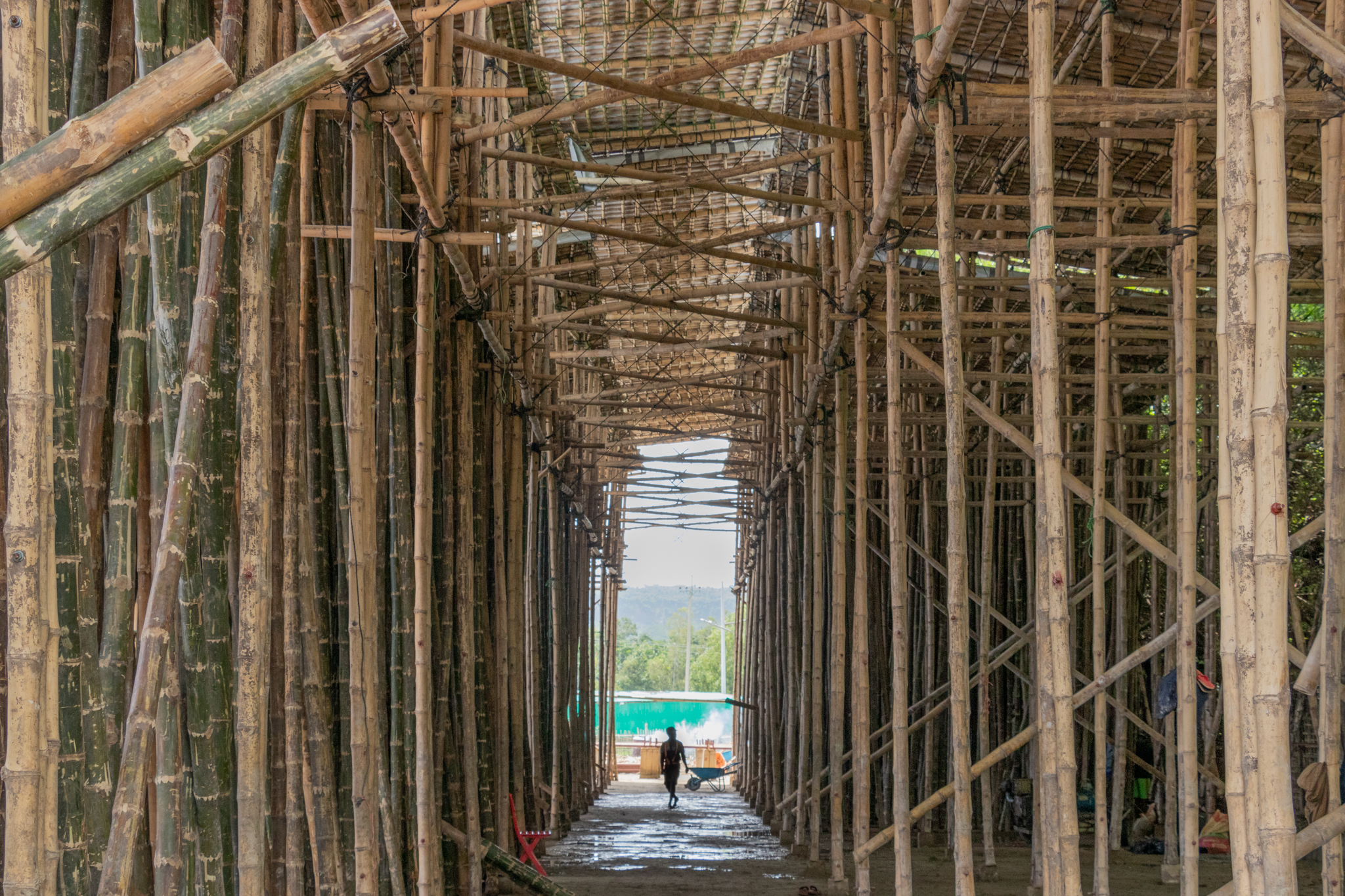
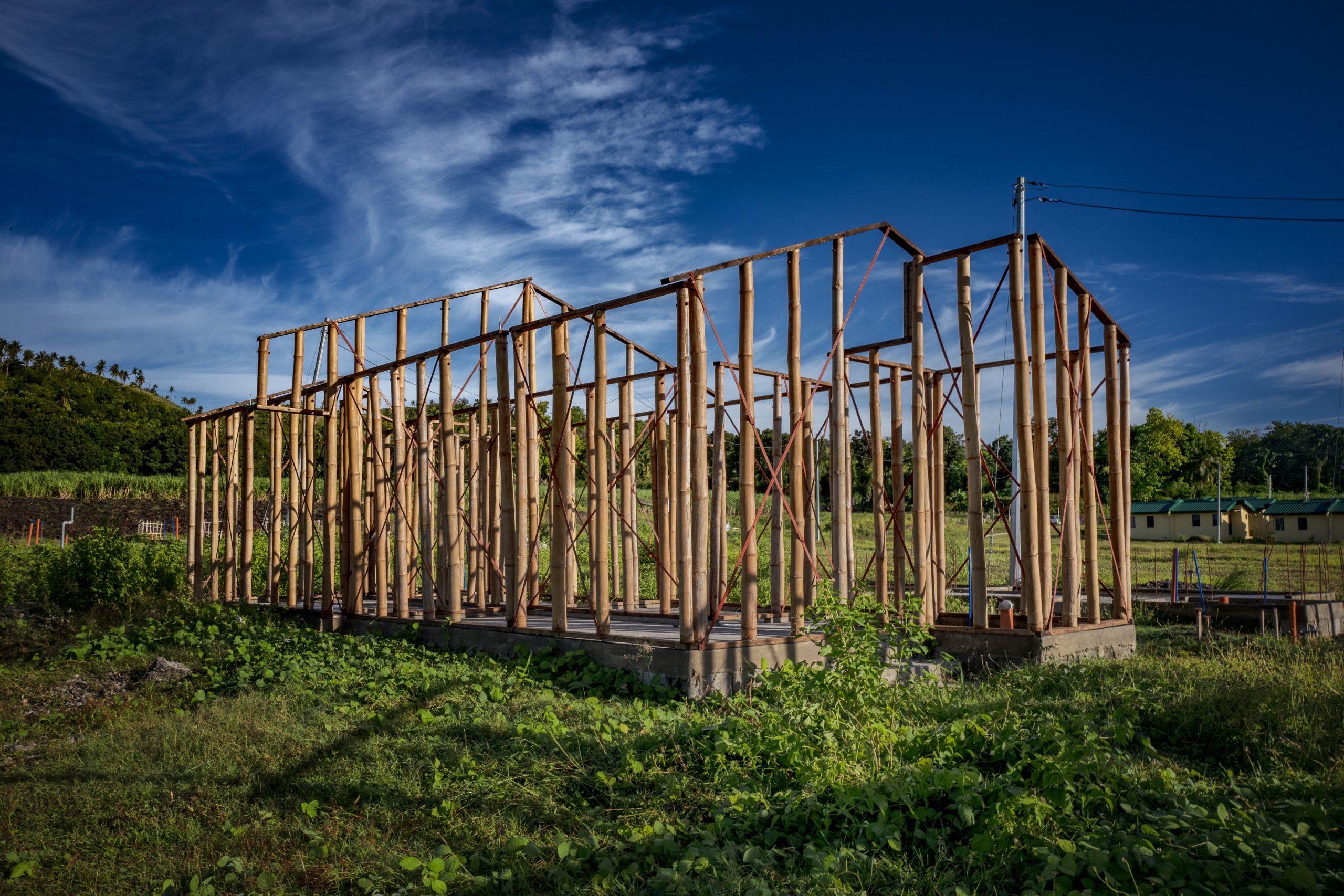
A multifaceted tool from nature, bamboo can be used for earthquake-resilient housing, as a renewable, clean burning source of energy, and as a means of storing carbon, along with other benefits. Collaborative networking among the stakeholders of BRIGC can help fully tap into these unique advantages of the plant resource.

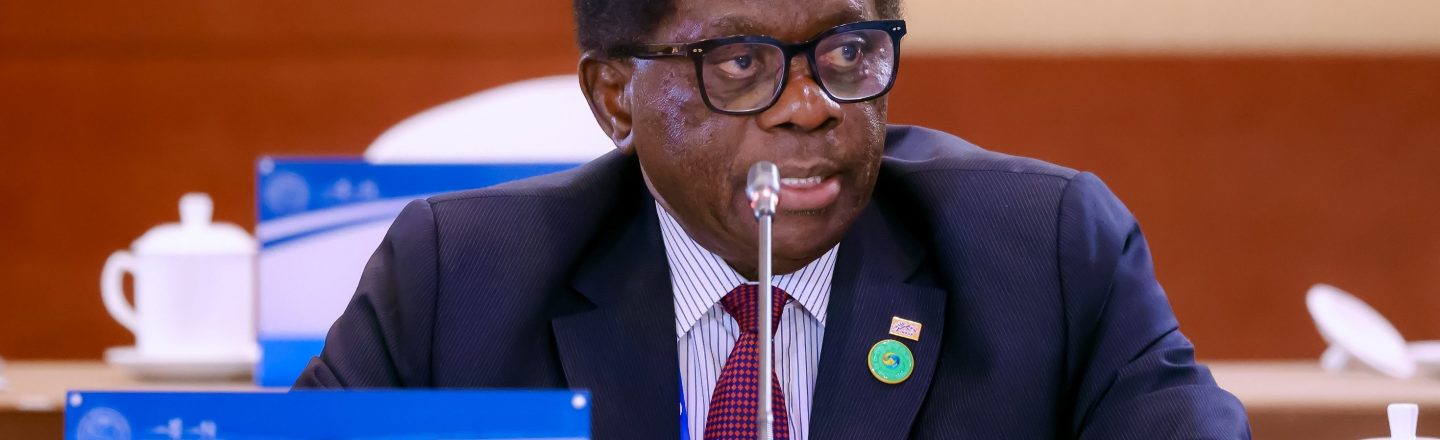
INBAR Director General Ali Mchumo attended the high-level seminar.
As a founding member of the BRIGC launched in 2019, INBAR is particularly excited to enhance its engagement with the Bamboo as a Substitute for Plastic Initiative within the coalition, helping leverage our institutional expertise with like-minded partners around the world. This is because bamboo can be substituted for many high-emissions materials like plastics, steel and cement, capable of being used to create flooring, furniture, shipping containers, wind turbine blades, structural components and more. Single-use plastics are also targeted by the initiative, given the rising demand for responsible consumption, with deep implications for tableware, kitchenware, food packaging and more. All of these innovative products are durable and lock in carbon for the duration of its lifespan. And, depending on the particular processing techniques, most are biodegradable.
INBAR will keep working to promote sustainable and green development with governments and partners across the Belt and Road, to inspire further cooperation for green infrastructure development while also reducing greenhouse gas emissions.