News
NewsNew publication reveals bamboo distribution in parts of Southeast Asia

The study used remote-sensing approaches to map bamboo distribution in Myanmar, Thailand, and the Chittagong Division of Bangladesh.
Recently, the Food and Agriculture Organization of the United Nations (FAO) published a new report helping to fill in a critical knowledge gap on bamboo distribution in Southeast Asia.
Titled Bamboo Resources Assessment: A methodological approach using SEPAL with case studies in Asia, the research is a pivotal contribution for evidence-based decision-making and policymaking for sustainable management, conservation, restoration and economic development through the harvesting of bamboo forests. INBAR lent its technical expertise to the report.
Since its inception, INBAR has played a key role in conducting comprehensive assessments to support global bamboo resource management. INBAR has conducted remote-sensing assessments in China, Ethiopia, Ghana, India and various Southeast Asian nations, generating useful information for policy development, sustainable practices and helping bamboo-dependent communities.
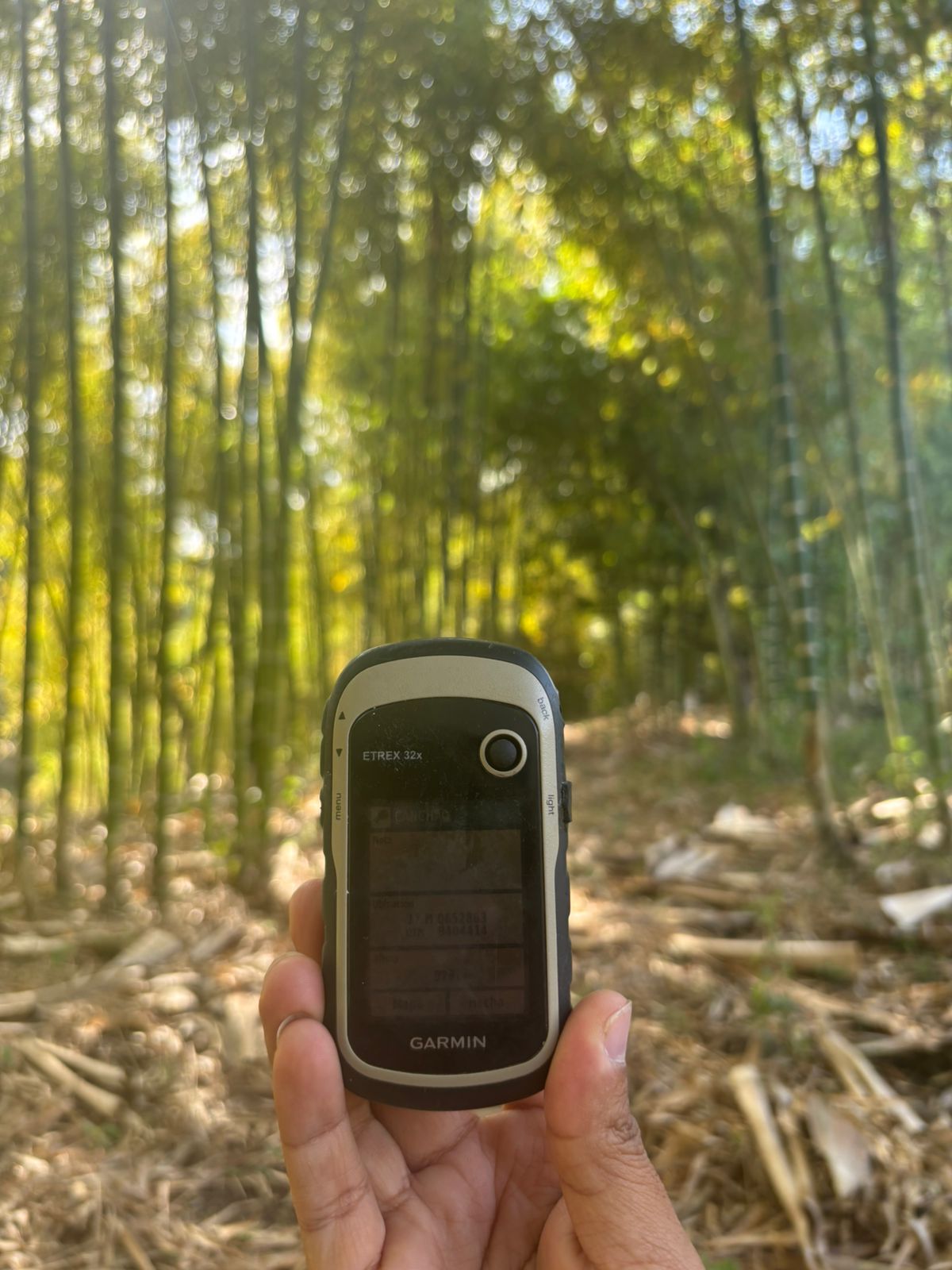
The objective of this study is to build upon existing knowledge by streamlining bamboo assessment methodologies through the use of freely available remote-sensing satellite images in SEPAL, presented in a user-friendly approach. Cloud-computing tools were used to achieve this, including FAO’s System for Earth Observation Data Access, Processing and Analysis for Land Monitoring and Google Earth Engine. It also integrated freely available satellite data, including Sentinel-1 and Sentinel-2 time-series data, the Shuttle Radar Topography Mission and global canopy height datasets.
The bamboo mapping methodology proved highly efficient and accurate, achieving an overall accuracy score of 90-93%. The research therefore establishes a robust framework for bamboo mapping, combining advanced technologies, open-access platforms and collaborative tools. The bamboo extent maps and Bamboo Web Portal developed as part of this study will also be valuable tools for stakeholders when it comes to evidence-based conservation planning, sustainable land management and economic development.
In the future, more attention could be given to differentiating between bamboo species and integrating targeted ground-based sampling to enhance model reliability and accuracy. Despite these limitations, the current methodology remains suitable for country-level analysis across diverse ecological zones.
Read the full report here.