 News
NewsNurseries and agroforestry: Bringing bamboo to Cameroon’s smallholders

Trainings underscore the pivotal role bamboo can play in addressing environmental challenges, enhancing rural livelihoods and building resilient agricultural systems.
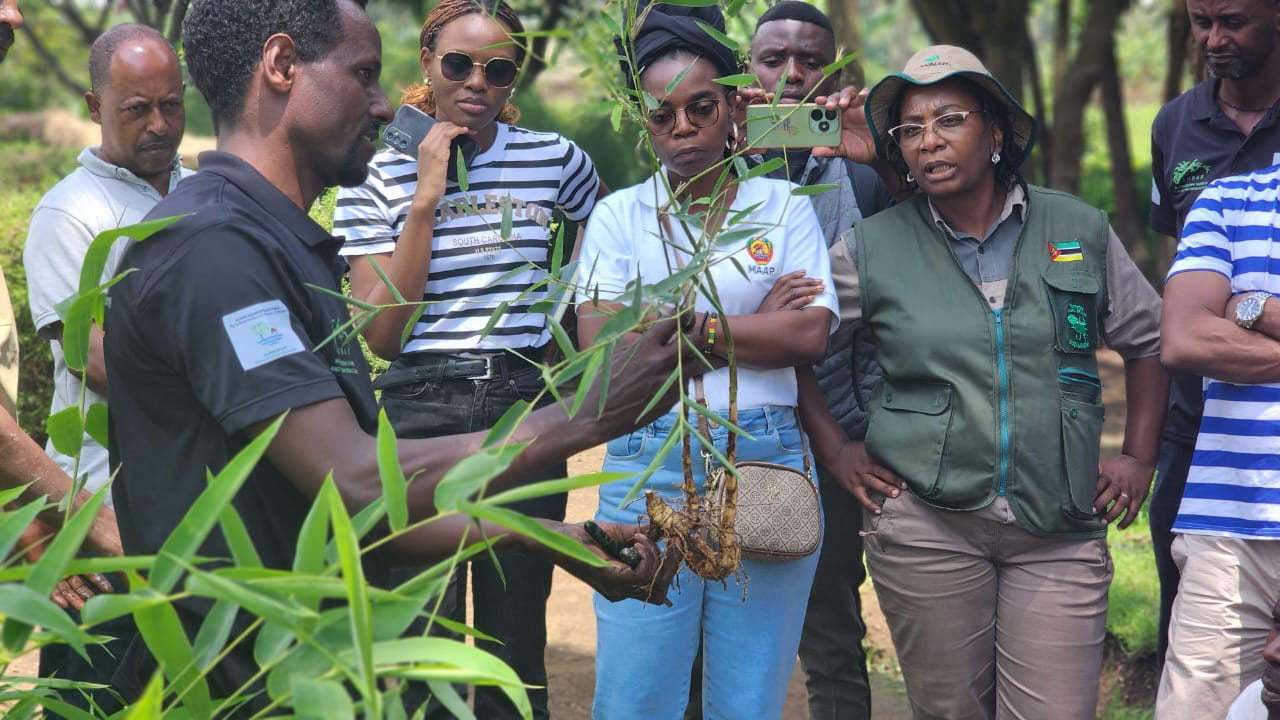
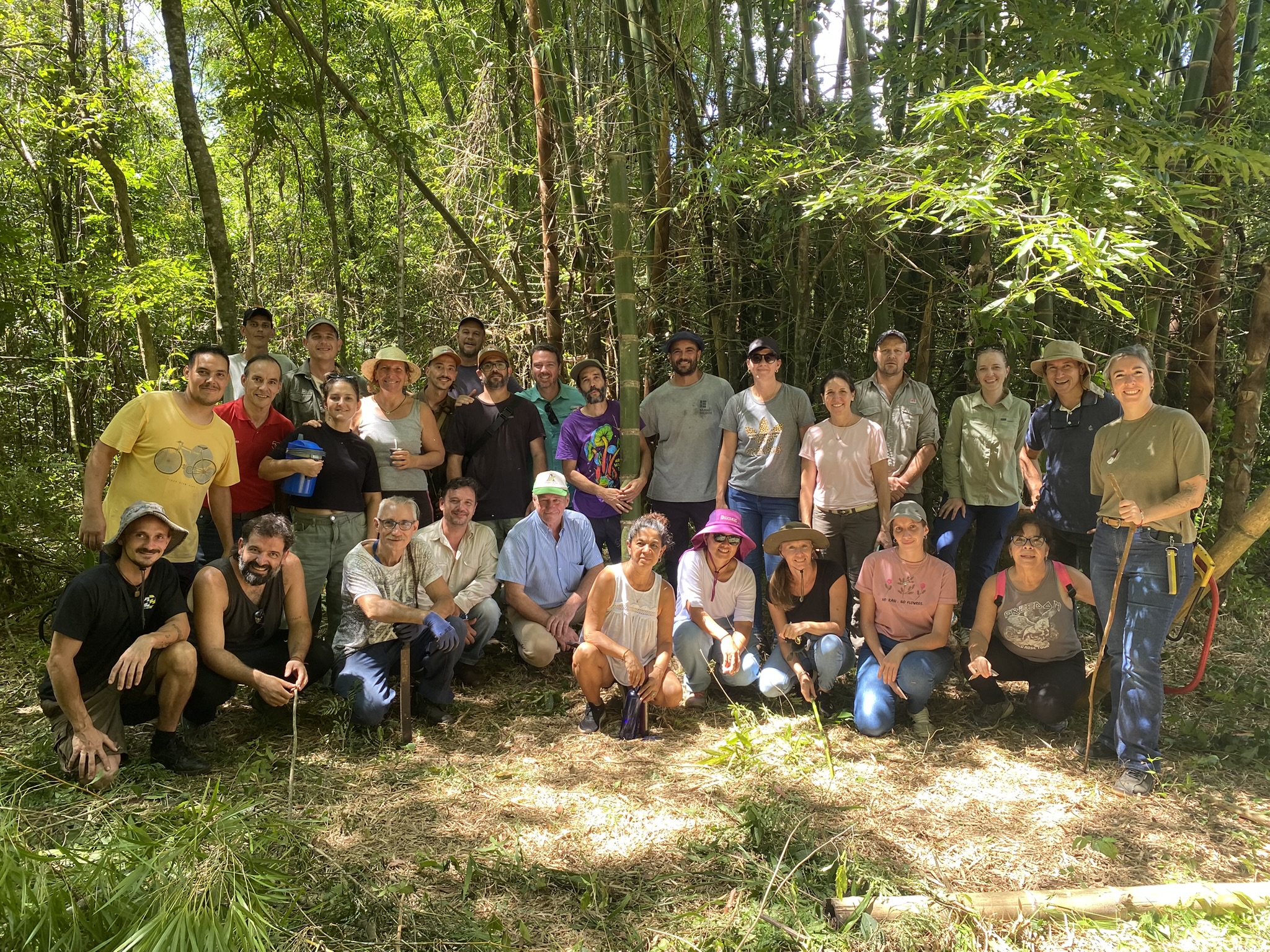
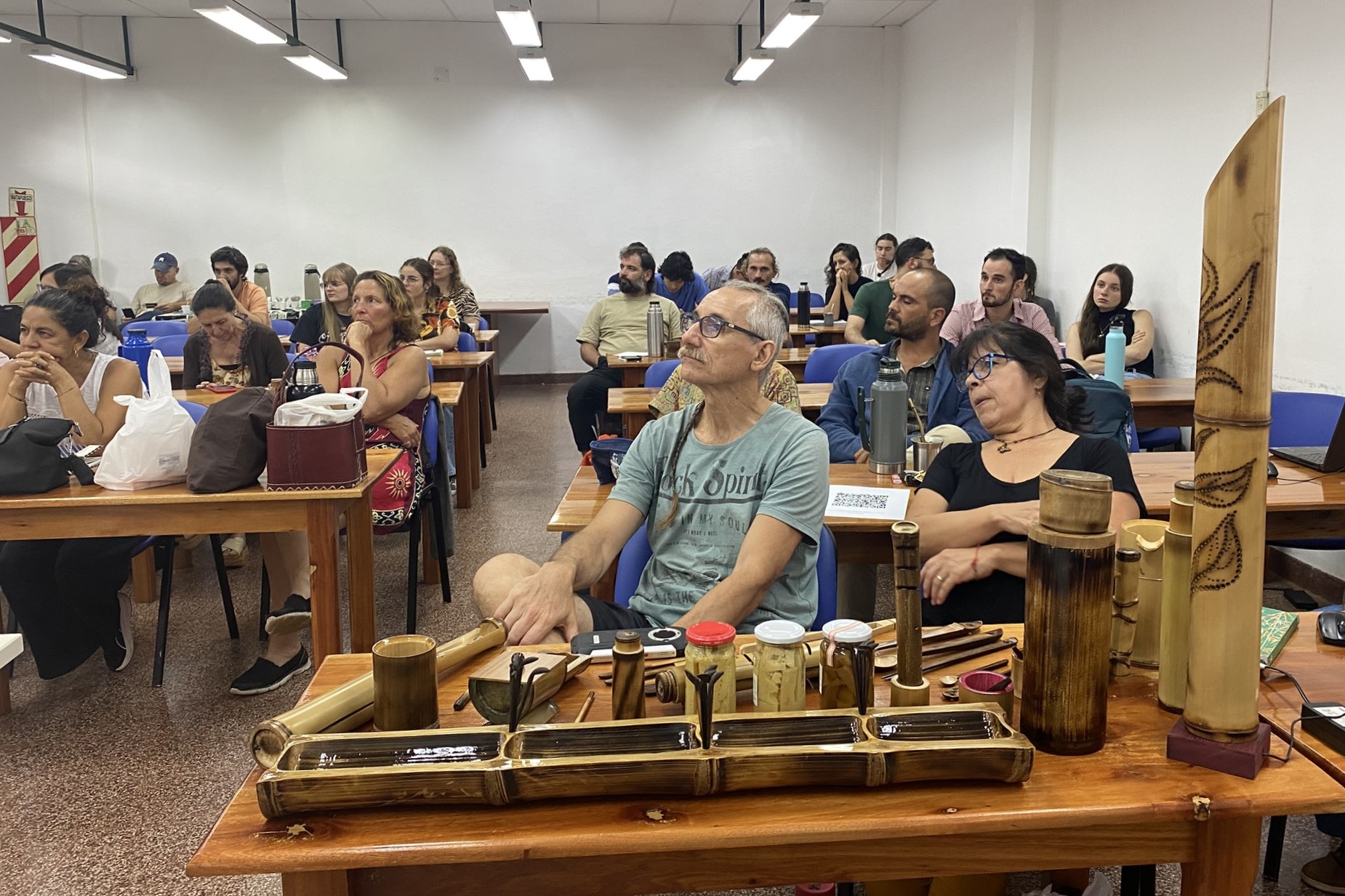
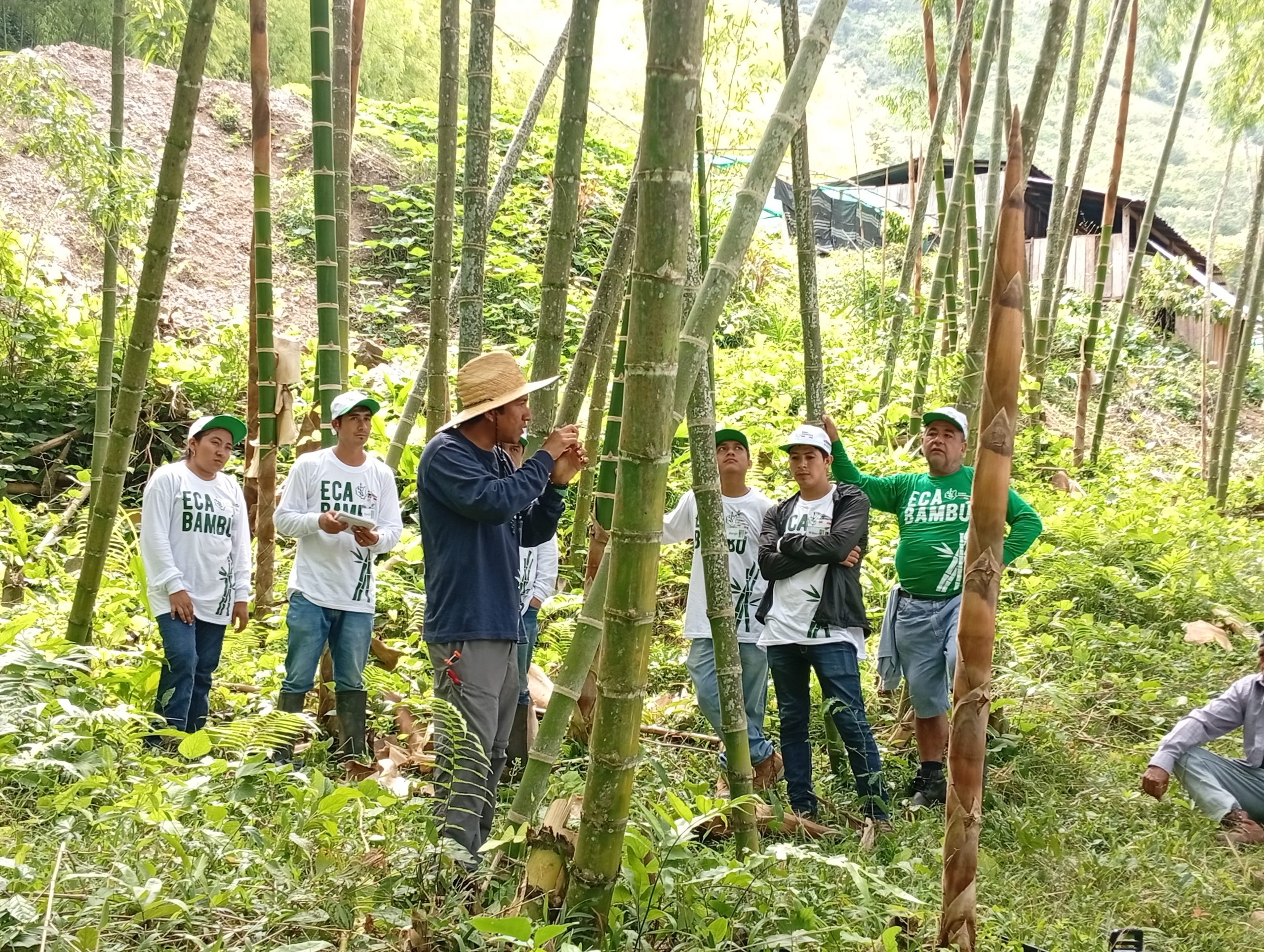
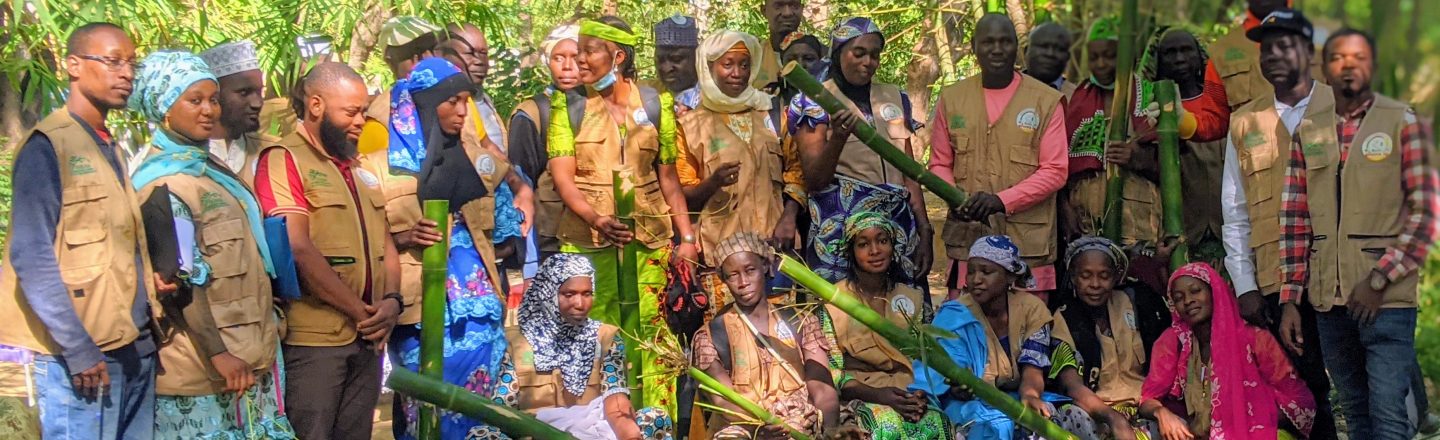
INBAR, in collaboration with the Commodity Value Chain Support Project Phase II (PADFA II), conducted a series of transformative training workshops on bamboo nursery establishment, propagation techniques, plantation development and agroforestry systems. These convened from 17 to 19 November 2024 and 18 to 20 December 2024 in Bafoussam, Cameroon.
The workshops were organized within the framework of the second phase of the PADFAII-INBAR initiative entitled “Bamboo value chain development to support rice and onion post-harvest and enhance smallholder farmers and craftsmen’s revenue in Cameroon,” with generous funding by the International Fund for Agricultural Development.
The workshops aimed to equip smallholder farmers with the knowledge and skills necessary to leverage bamboo for environmental sustainability, improved livelihoods and climate resilience.

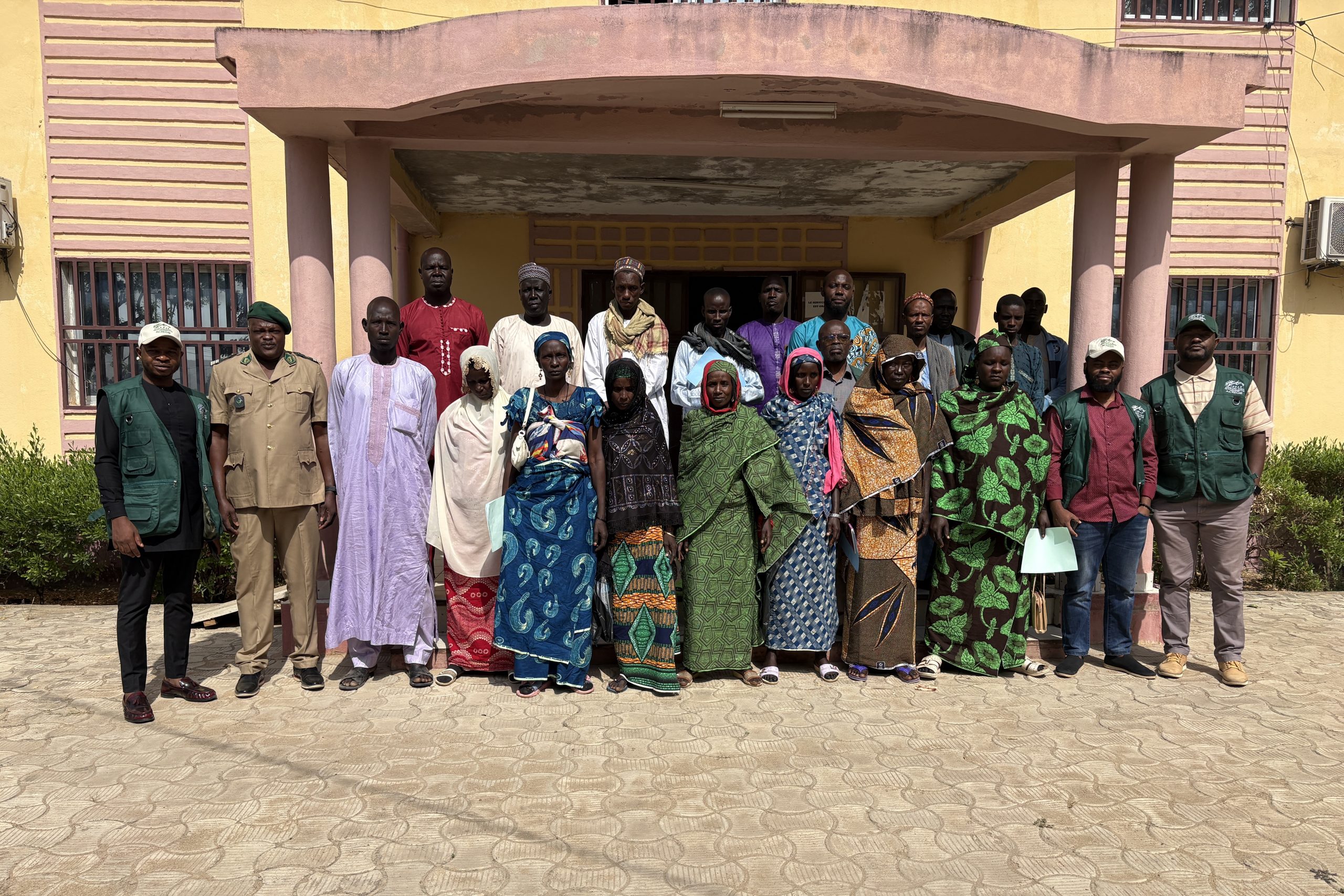
In total, these workshops brought together 76 participants, including 29 women, 47 men and 26 youth from 12 cooperative groups across the North, Far North, West and Northwest regions of Cameroon. The participants, who primarily engage in rice and onion cultivation, face significant challenges such as post-harvest losses and the adverse impacts of climate change. The training builds on the success of the 2022 pilot phase, which demonstrated bamboo’s potential to reduce post-harvest losses and boost incomes through innovative storage solutions.
The three-day workshops offered a blend of theoretical and practical sessions. Participants were introduced to the versatility of bamboo and its global significance in areas such as environmental protection and sustainable agriculture. Practical exercises included:
- Establishing bamboo nurseries, with an emphasis on site selection, substrate preparation and shading techniques.
- Propagation methods using seeds, branch cuttings and culm cuttings.
- Developing bamboo plantations, focusing on species selection, planting methods and maintenance.
- Integrating bamboo into agroforestry systems to synergize with food crops and livestock.
Peer learning was a key highlight, as cooperatives from the pilot phase shared success stories, inspiring and guiding the new participants.

Participants were enthusiastic about applying their newly acquired skills to establish bamboo nurseries and plantations in their communities. Beyond environmental benefits, they aim to generate supplementary income by selling bamboo plants and developing storage facilities such as bamboo drying racks and pallets for rice and onions. This initiative is expected to:
- Enhance food security by reducing post-harvest losses.
- Create job opportunities, particularly for youth and women.
- Promote climate resilience through sustainable agroforestry practices.
“This training has shown us the immense potential of bamboo,” said Habiba Alhadji Moussa, President of the FEDYGAZ cooperative group in the Far North region. “We now have the tools to create sustainable solutions for our storage challenges while protecting the scarce wood resources in our environment and improving our livelihoods.”

This initiative underscores the pivotal role bamboo can play in addressing environmental challenges, enhancing rural livelihoods and building resilient agricultural systems. INBAR and PADFA II remain committed to empowering communities with sustainable bamboo solutions to fight poverty and boost climate adaptation.
The next steps of the initiative include establishing farmer field schools, trainings on bamboo drying rack and pallet production, diversifying income opportunities through bamboo income generating activities and fostering knowledge exchange through study tours.