News
NewsValidating Pakistan’s National Bamboo Strategy

Key workshop moves Pakistan one step closer to fully utilizing its native bamboo resources for sustainable purposes.
The Islamic Republic of Pakistan joined INBAR on 1 July 2021 as INBAR’s 48th Member State. Since then, INBAR, along with the Pakistan Ministry of Climate Change and Environmental Coordination (MoCC&EC), have undertaken an on-farm bamboo resource assessment, value chain analysis and market assessment of bamboo products as well as development of a national bamboo strategy.
Capitalizing on this foundation, MoCC&EC, INBAR and International Union for Conservation of Nature (IUCN) recently co-organized the National Validation Workshop on National Strategy on Bamboo in Pakistan. The event was held in Margalla Hotel, Islamabad, from 30 to 31 October 2024.
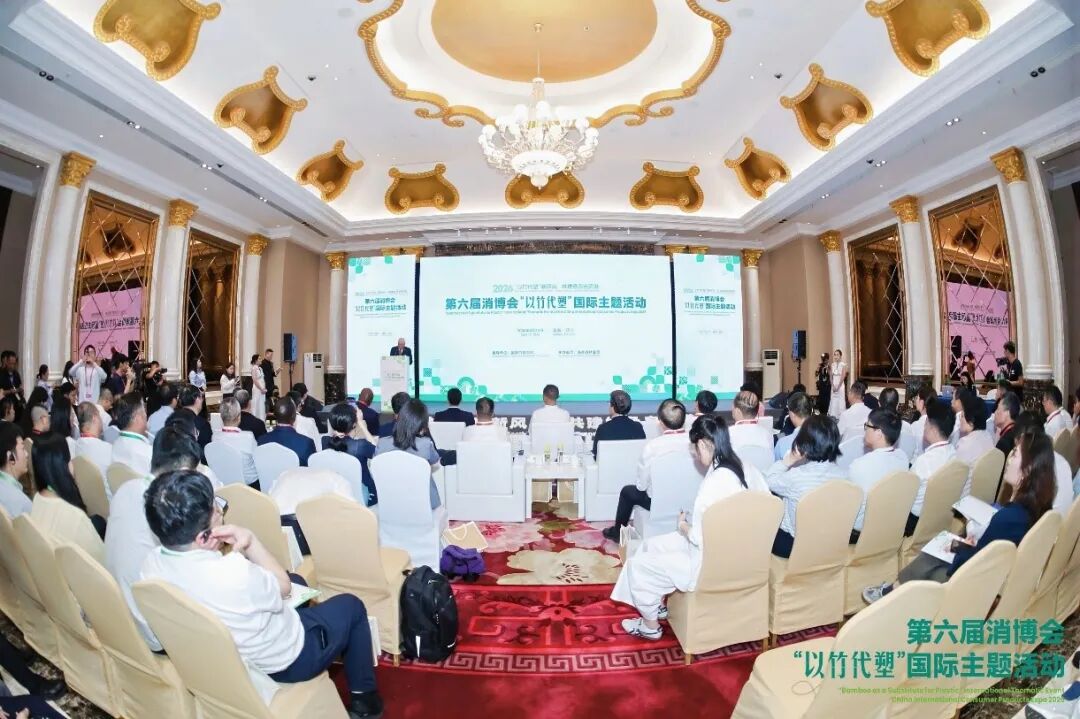
The two-day workshop brought together bamboo sector stakeholders in Pakistan to deliberate on the prepared bamboo strategy, showcase good practices and models, and receive inputs from stakeholders to update and validate the bamboo strategy.
Mr. Hammad Shamimi, Additional Secretary of MoCC&EC, welcomed all participants, thanking INBAR for the close collaboration with MoCC&EC alongside providing its expertise and support, as well as thanking IUCN for co-hosting the workshop. He indicated that this workshop will foster meaningful dialogue among stakeholders to collectively decide upon the bamboo strategy capable of contributing to Pakistan’s economic and environmental policies – a strategy that meets local needs and global best practices, ultimately ushering in a prosperous future for Pakistan.

Prof. Lu Wenming, INBAR Deputy Director General, delivered opening remarks extended appreciation to MoCC&EC for its support in bamboo resource assessment, value chain analysis and development of a bamboo development strategy. He emphasized that with a dedicated bamboo development strategy and action plan, Pakistan can scale up the benefits of bamboo for livelihoods, jobs and environmental management.
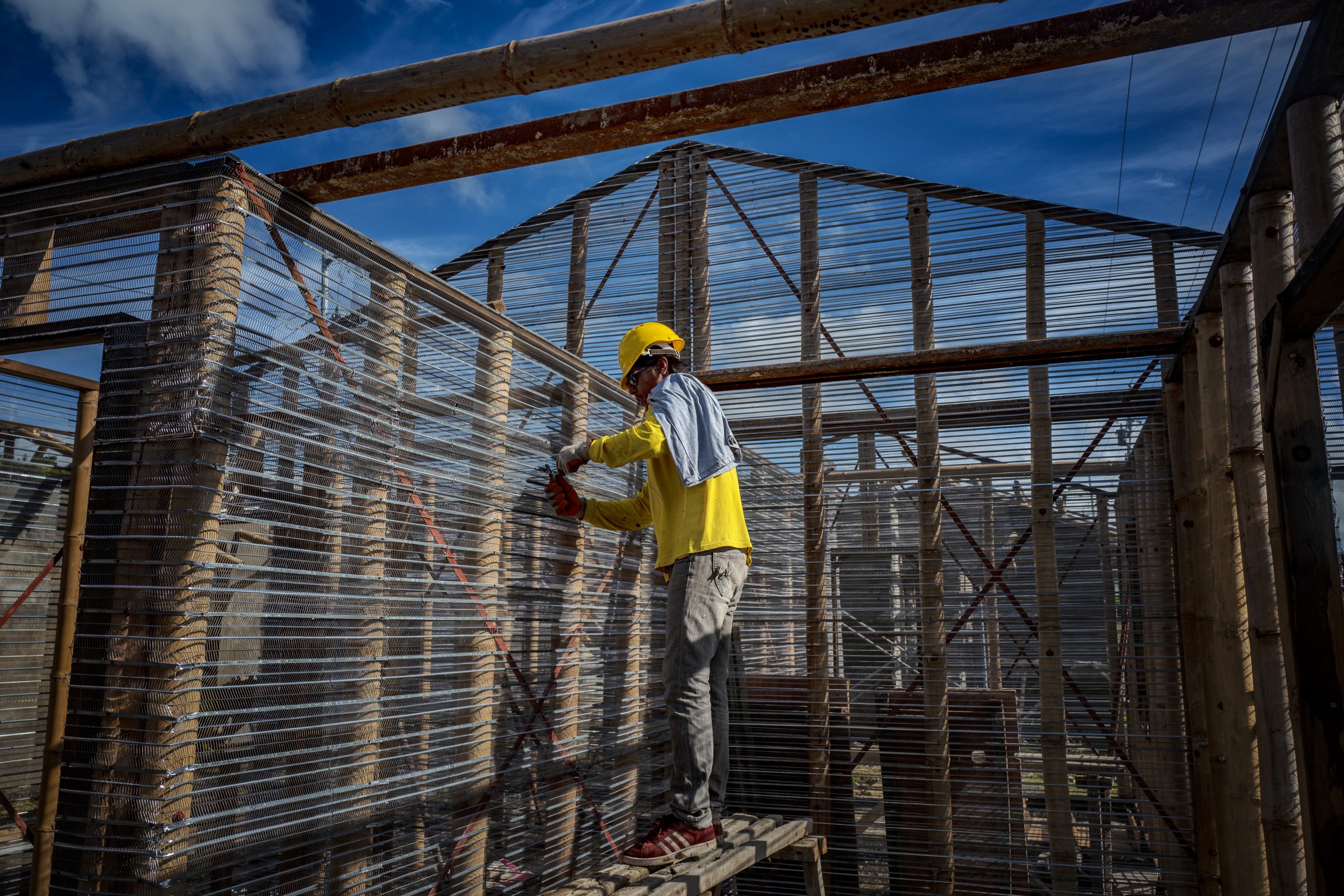
Three bamboo species are native to Pakistan: Arundinaria falcata, Bambusa bamboo, and Dendrocalamus strictus. These can be utilized for a wide variety of purposes, from construction and woven products to handmade crafts. In particular, bamboo has successfully been used for constructing disaster-proof shelters in response to natural disasters like earthquakes and floods. It is across these applications and more that its qualities as a strong, flexible, low-carbon and sustainable resource can truly be harnessed.