 News
NewsBamboo takes root at UN forestry conference

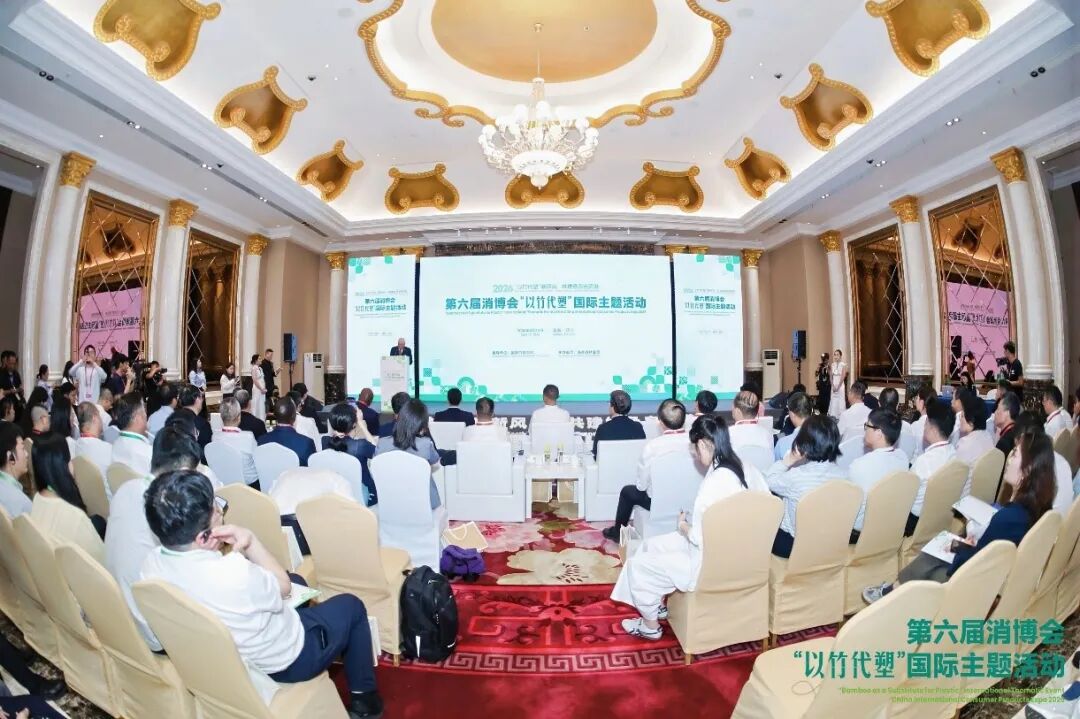
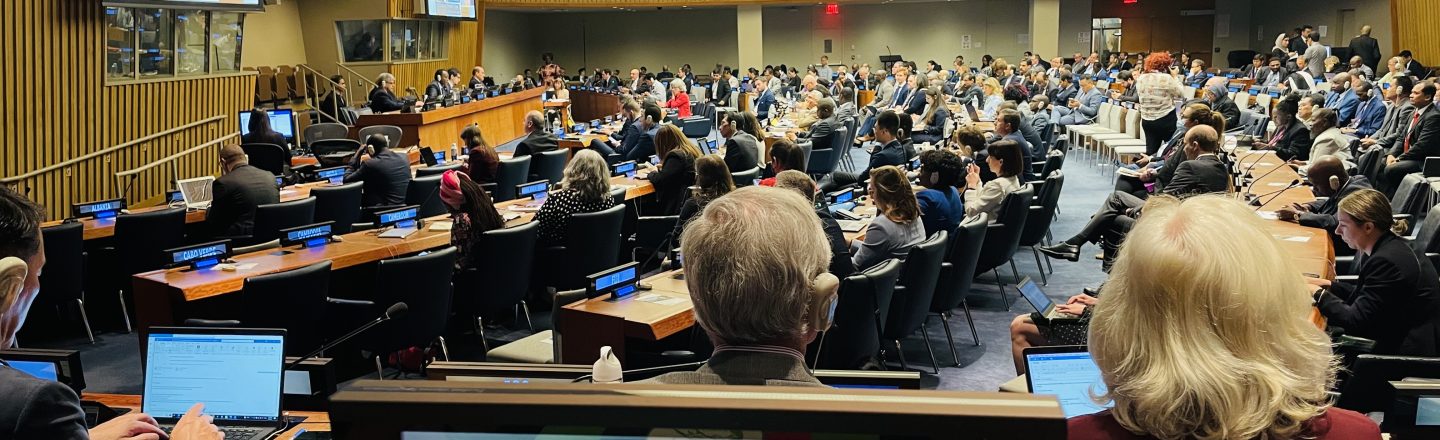
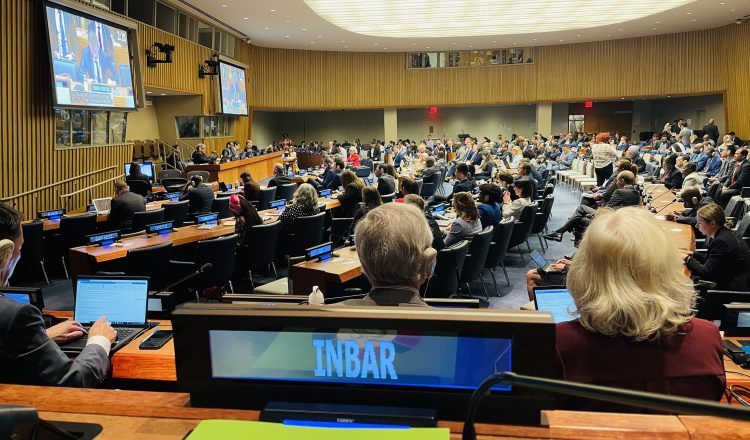
Plenary Session of the conference featured opening speeches from government and organization leaders.
Side event at the 18th session of the UN Forum on Forests brings bamboo to the forefront of the global forestry conversation.
Covering nearly one-third of the world’s land area, forests are a critical part of planetary and human wellbeing. They also play an important role in climate change mitigation strategies, cleaning the Earth’s air, safeguarding watersheds, limiting soil erosion and housing biodiversity, all of which have immense implications for food security, jobs and energy. As the highest intergovernmental body for deliberating on forestry issues, the United Nations Forum on Forests (UNFF) was established to promote the “management, conservation and sustainable development of all types of forests” while at the same time striving to boost “long-term political commitment to this end.” In practice, the body function as a platform for high-level meetings between key stakeholders where consensus is reached on a variety of forestry-related topics and policies.
The 18th session of the UNFF kicked off last week in New York, lasting from 8 to 12 May 2023. INBAR hosted a side event at the conference on Bamboo for Triple Bottom Line Benefits on the final day of the event, bringing together a diverse range of stakeholders to showcase the potential of bamboo for forest and landscape restoration coupled with economic, social and environmental benefits.

At the opening of the side event, Professor Lu Wenming, Deputy Director General of INBAR, delivered a keynote speech on the Bamboo as a Substitute for Plastic Initiative: Addressing Plastic Pollution and Mitigating Climate Change. The presentation detailed the potential of bamboo for helping contribute to solving the global plastic crisis and highlighted the urgent need for joint efforts and actions to fully harness bamboo’s potential as a plastic alternative. The Bamboo as a Substitute for Plastic Initiative echoes the ongoing negotiations to develop a legally binding instrument to confront plastic pollution, and suggests bamboo as a promising green alternative to the harmful material. INBAR welcomes all partners, stakeholders, Member and non-Member States, and international organizations to join the initiative to work together to fully utilize bamboo to solve the world’s plastic problem.

Ms. Margaret Adata, Commissioner of Forestry, Ministry of Water and Environment in Uganda, listed examples on the ways in which bamboo contributes to sustainable development in her country. The presentation revealed bamboo’s role in restoring degraded land as well as its functional capacities in soil erosion, flood control, climate change mitigation and poverty reduction for smallholders. In particular, she noted that Uganda’s bamboo sector has boomed recently, delivering better livelihoods to rural women. She also mentioned that the triangular cooperation model has been significant for facilitating technology transfer and development in INBAR project work in Uganda. The National Bamboo Strategy will further strengthen bamboo’s positive contributions to the environment and communities while helping achieve the Sustainable Development Goals.

Mr. Wu Zhimin, Director of the Forestry Division, Food and Agricultural Organization (FAO) of the UN, shed light on the impact bamboo can have on the UN Decade on Ecosystem Restoration, while outlining potential challenges and opportunities. Referring to bamboo as a “magic plant,” he noted its uses as a 21st century fiber and important component for ecosystem restoration that merits greater attention from global actors. Currently, several flagship programs are contributing to the UN Decade on Ecosystem Restoration, and bamboo could also play an integral role in achieving the goals of the decade.
INBAR Member States have committed to restore nearly six million hectares of degraded land with bamboo by 2030, helping realize the UN Decade and Global Forest Goals. The renewed partnership between FAO and INBAR aims to scale up work across a number of common goals, such as using bamboo and rattan to contribute to food security, income generation, biodiversity restoration, and climate change mitigation and adaptation.

Mr. Carlos Ponce, Director of Forestry, Ministry of Environment, Water and Ecological Transition in Ecuador, introduced the topic of bioeconomic development with bamboo. He indicated that an inter-ministerial coordinating mechanism has been set up in his country to facilitate the implementation of Ecuador’s National Bioeconomy Strategy. In his talk, he emphasized that knowledge generation as well as the sustainable development and use of natural biodiversity resources are essential elements of building a bioeconomy undergirded by low-carbon principles. He highlighted the role bamboo and the bamboo value chain can play in contributing to this process.

Mr. Williams Arellano Olano, Director of Sustainable Management of Forest Heritage, National Forestry and Wildlife Service, presented on how a national bamboo strategy can help ensure bamboo becomes a visible resource for delivering socio-economic and environmental benefits. Such a national instrument will prioritize new interventions, programs and projects related to bamboo development by contextualizing and facilitating stakeholder participation, empowering local bamboo practitioners.
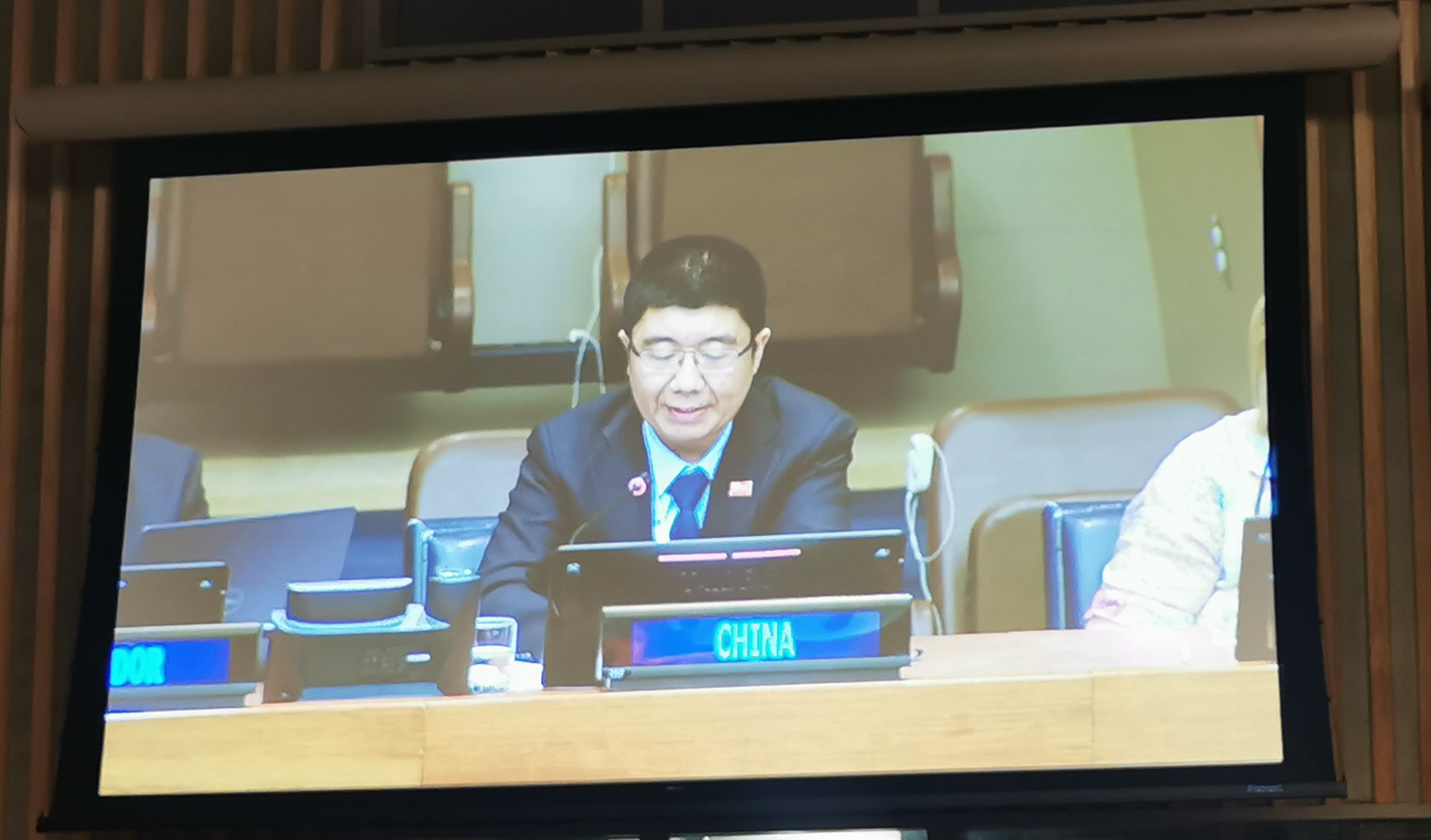
Mr. Zheng Sixian, Deputy Division Director, Department of International Cooperation, National Forestry and Grassland Administration, China, showcased the tremendous development of China’s bamboo sector, and how it supports the country’s green growth, improves environmental health and boosts socio-economic benefits for the people, reflecting the concept of an ecological civilization. New technical innovations are enabling novel applications of bamboo that help producers meet rising demand for timber, alternative plastic materials, clean energy, nutritional supplements and more. China’s experience in bamboo sector development can be a source of inspiration, revealing the promise and pointing the way forward for other bamboo-growing countries.

Ms. Barbara Tavora-Jainchill, Programme Management Officer, Forest Affairs, UNFF Secretariat, discussed the Global Forest Agenda while also highlighting networking and partnership opportunities as well as the key role bamboo could play in connecting multiple different organizations and stakeholders. She spoke on the versatile aspects of bamboo and rattan as nature-based solutions to many of the challenges facing the world, such as plastics pollution, poverty, the energy crisis and more. Bamboo and timber, she commented, are complementary materials capable of contributing to the achievement of the Global Forests Goals and Sustainable Development Goals. She was clear in her presentation about the importance and value of partnerships and cooperation in achieving such goals.

A robust Q&A with the audience followed the presentations. Mr. Tom Okello Obong, Executive Director of the National Forestry Authority, Uganda, elaborated on the myriad ways in which smallholders and women engage in and benefit from a burgeoning bamboo sector, along with the current state of capacity building in Uganda. There was further discussion from him and Mr. Carlos Ponce on the potential impact the Bamboo as a Substitute for Plastic Initiative could have on addressing global plastic pollution.

Li Yanxia, Senior Programme Officer of INBAR, gave the closing remarks at the side event. She summarized the main recommendations regarding bamboo from the side event such as the need for
- conducting more baseline research;
- technological innovation and transfer;
- capacity building;
- social acceptance of bamboo material;
- local buy-in to project work;
- the feasibility of policy instruments and institutional deployment; and
- financial mechanisms to support the process of bringing bamboo into the mainstream.
She also said that these recommendations were robust and comprehensive, capable of fully realizing bamboo’s potential as a nature-based solution to many challenges. These challenges by which our world is threatened are complex, interlinked with environmental, social and economic dimensions across different scales. The cross-sectoral nature of these challenges demands continued joint efforts and actions through more international collaboration and partnerships to generate new prospects for bamboo’s three bottom line benefits as viable energy, timber and plastic substitutes, construction materials, and a source of fiber for sustainable development.

Li also represented INBAR during the opening plenary session of the conference. In her speech, she suggested the expanded use of bamboo, which is a “strategic but often overlooked resource” to address bioenergy, deforestation and livelihood development, calling for more attention and investment in the bamboo sector.
Interestingly, in the highlights from the Earth Negotiations Bulletin, which is an independent reporting service on UN environment and development negotiations, one delegate echoed Li’s words, observing that several topics were raised at the conference that were not on the stated agenda. One of the mentioned topics was the role of bamboo. “Maybe we should be paying more attention to [it] than we did before,” they mused.
We think so too. INBAR will continue to make the case for bamboo and rattan at international fora and events like UNFF and more, striving to elevate the status of the resources and champion their untapped potential for delivering nature-based solutions from the forestry sector.