 News
NewsBamboo for land restoration and green growth: INBAR at UNCCD COP 16

INBAR highlighted bamboo-based innovations for landscape restoration and green growth at the 16th Conference of the Parties of the United Nations Convention to Combat Desertification.
The 16th Conference of the Parties (COP16) of the United Nations Convention to Combat Desertification (UNCCD) was held under the theme “Our Land, Our Future.” The two-week conference, which took place in Riyadh, Saudi Arabia, from 2 to 13 December 2024, is the largest UNCCD gathering to date and the first UNCCD COP held in the Middle East and North Africa region. Taking place during the 30th anniversary of the UNCCD, the event brought together government leaders and environmental experts from around the world.
Although delegates were unable to reach an agreement on negotiating a global framework or legally binding protocol to address drought, significant progress was achieved on important thematic issues related to addressing desertification, land degradation, and drought (DLDD), including the participation of civil society organizations (CSOs), gender equality and land rights, agriculture and rangelands listed on the UNCCD agenda.

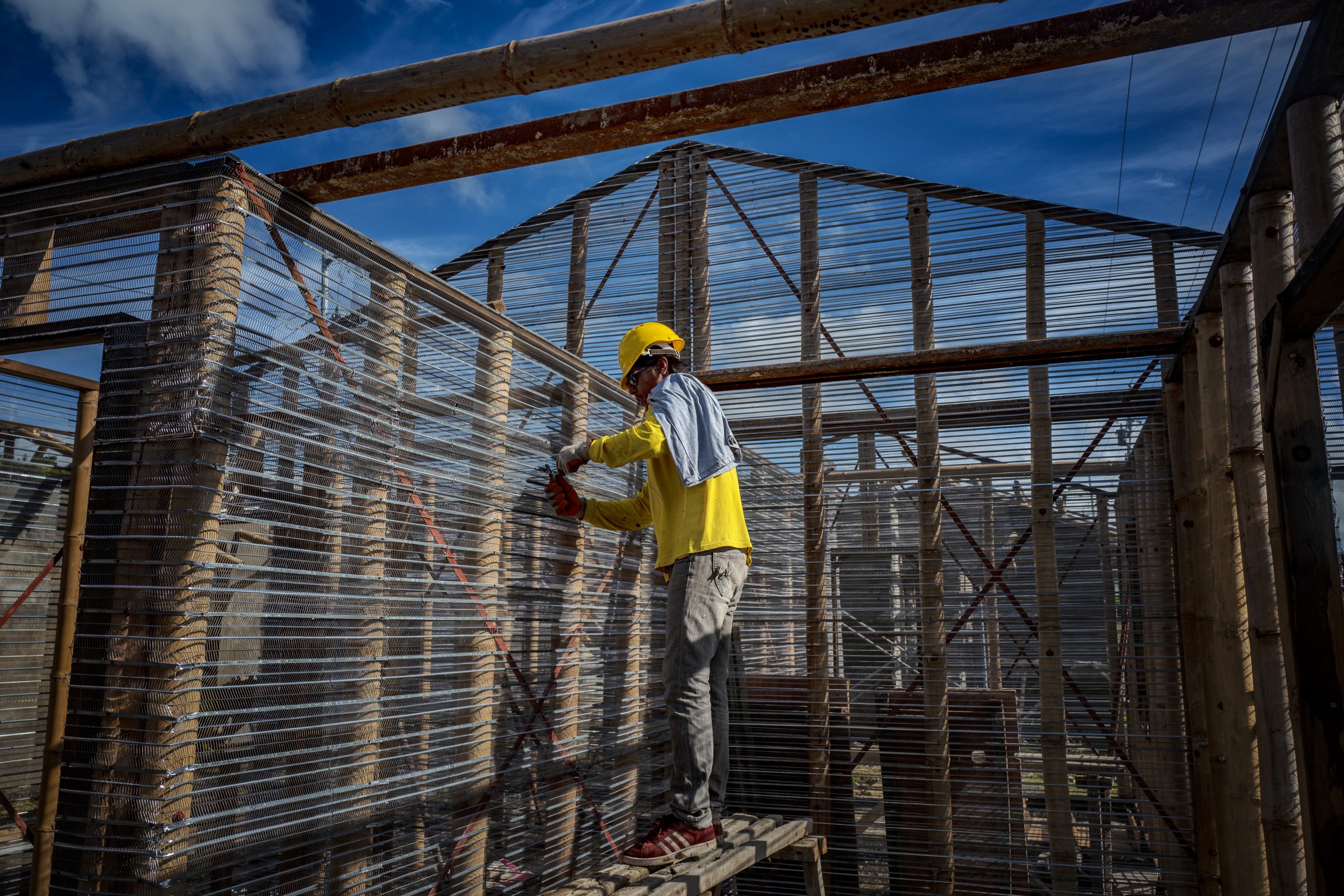
Bamboo creates job opportunities, reduces overall income inequality and fosters women’s access to community leadership positions.
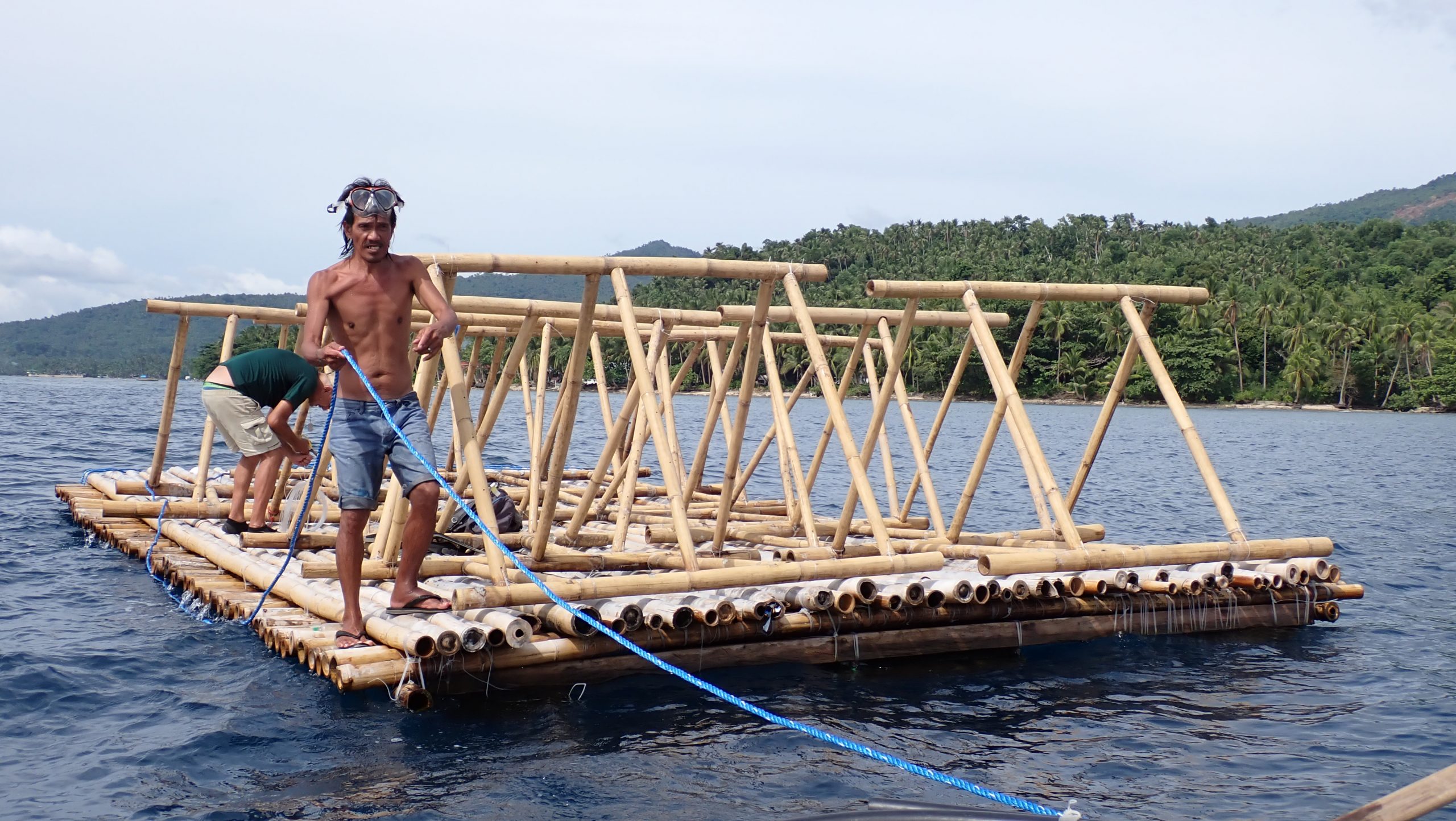
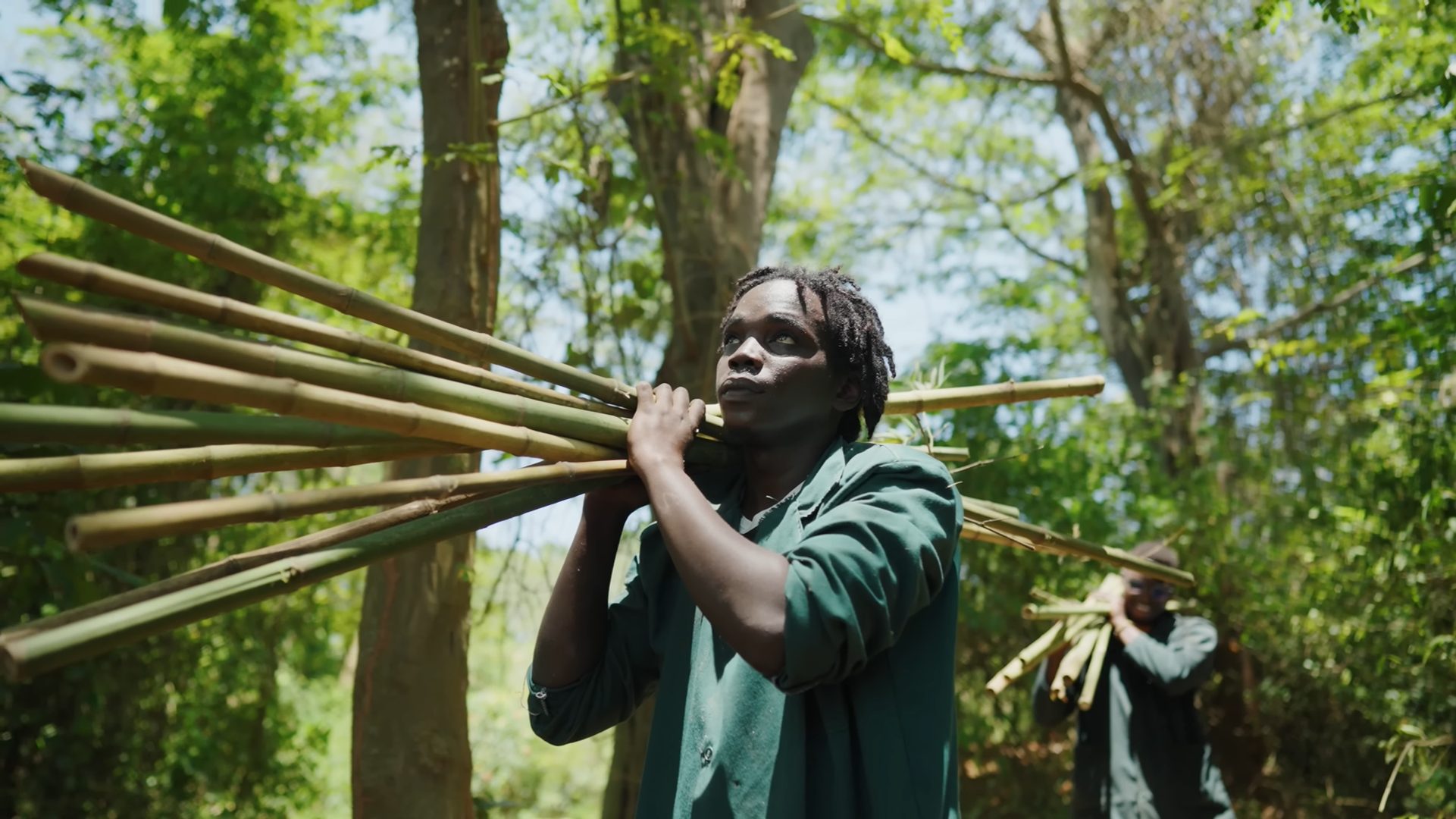
Bamboo was highlighted at COP16 as an effective solution for landscape restoration and green economic development. Bamboo’s unique qualities make it an effective tool against poverty and land degradation: it thrives on marginal and sloping lands with minimal agricultural inputs, grows rapidly, and offers a range of economic benefits. In just three to five years, bamboo can be harvested, providing sustainable income opportunities for local communities, particularly for women. Moreover, bamboo plantations can be managed sustainably, allowing for annual harvests and diverse value-added applications.
At COP 16, INBAR hosted a special session titled “Bamboo-Based Innovation for Upscaling Landscape Restoration and Green Growth.” During the session, INBAR’s Deputy Director General, Professor Lu Wenming, emphasized bamboo’s rapid growth and high carbon sequestration capacity, making it a vital resource for forest restoration, ecosystem recovery, and the rehabilitation of degraded landscapes. He also highlighted bamboo’s versatility as a sustainable raw material for a wide range of applications, including timber, energy, fiber, construction materials, lifestyle products, composites, health, medicine and cosmetics.
Over the past two decades, INBAR’s programs and projects have demonstrated that triple bottom-line benefits are achievable through the use of bamboo and rattan, showcasing their potential to contribute to the global green economy. The bamboo and rattan sub-sector has provided millions of green jobs and helped lift rural populations out of poverty.

Prof. Lu Wenming, Deputy Director General of INBAR, delivered the session opening remarks.
The session featured a panel of five prominent speakers from diverse backgrounds: Dr. Tamirat Teshome, Head for Bamboo Development and Technology Desk at Ethiopian Forestry Development; Mr. Mark Gersava, Executive Cabinet Member, National Innovation Council of the Philippines; Dr. Thelma Arko, Research Fellow, United Nations University-Institute for Natural Resources in Africa (UNU-INRA); Dr. Clement Ngoriareng, Senior Deputy Chief Conservator of Forests, Forest Conservation and Management, Kenya Forest Service; and Dr. Adjonou Kossi, Lecturer and Scientific and Technological Correspondent, Faculty of Sciences of the University of Lome (Togo).
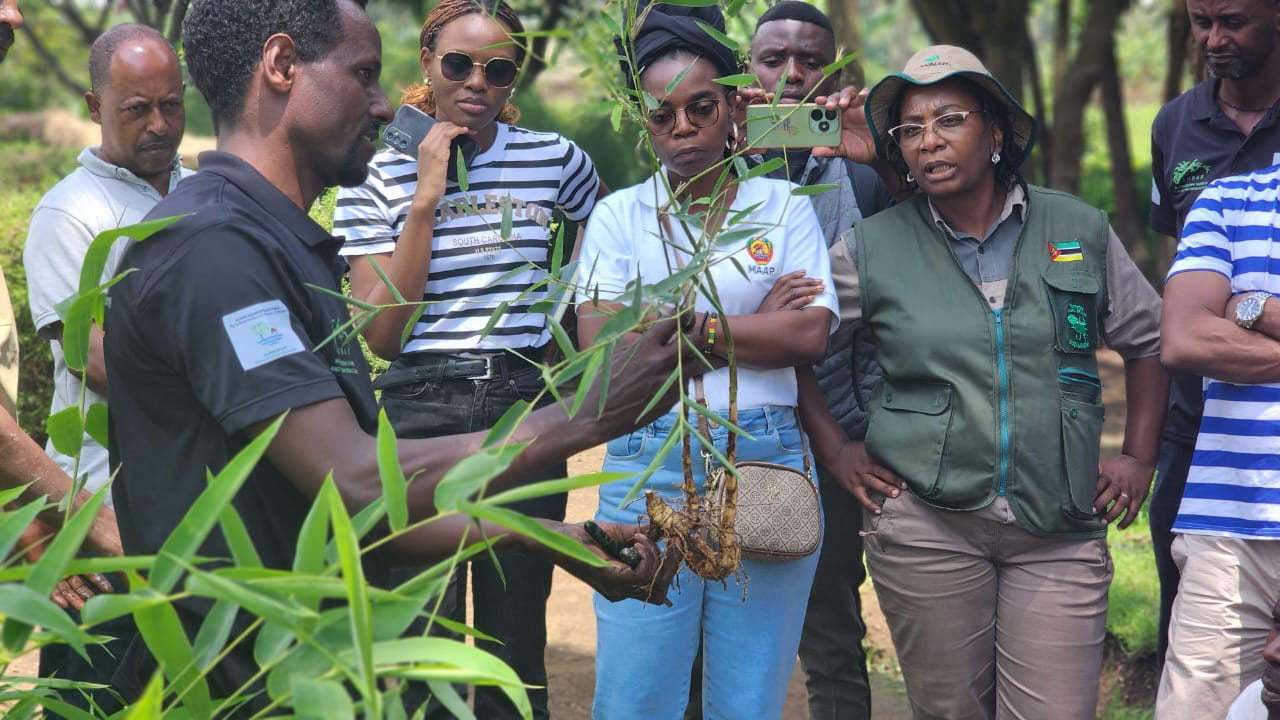
Speakers presented novel methodologies for the production of bamboo planting materials, establishing bamboo plantations, and managing bamboo resources sustainably for various applications. Discussions highlighted advancements in value addition, efficient supply chain models and the promotion of circular economies to minimize waste and maximize profitability. Additionally, the session addressed key strategies for the diversification of product ranges, industry promotion, support for small and medium-sized enterprises (SMEs), investment opportunities, and the facilitation of technology and knowledge transfer via South-South and Triangular Cooperation (SSTC) to expedite bamboo development in both developing and least developed countries.

Speakers at the session underscored bamboo’s immense potential to contribute to global land restoration initiatives and foster green economies. However, they also emphasized that the success of existing case studies has been contingent upon robust policy support and investment. To leverage their bamboo resources effectively, countries must create an enabling environment that supports the sector’s development, thereby encouraging the cultivation and sustainable management of local bamboo resources.
The session moderator, Mr. Borja De La Peña Escardó, INBAR’s Global Policy Officer, emphasized the critical importance of linking landscape restoration with supply chains to drive green economy and industrial development. He highlighted INBAR’s commitment to promoting bioeconomy solutions and developing closed-loop supply chains, including the substitution of plastics with bamboo-based products.

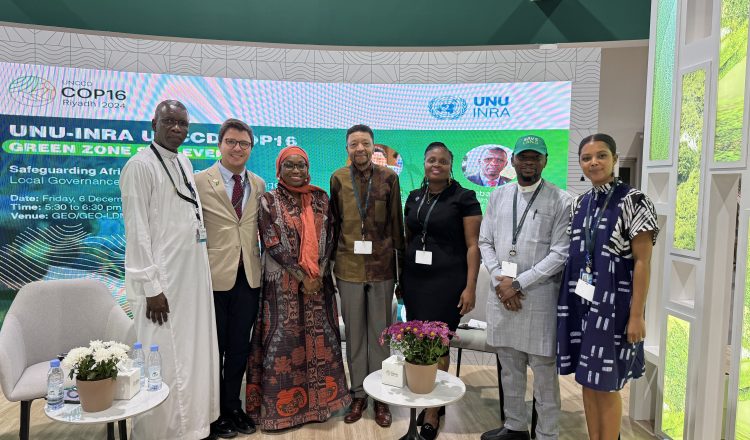
Mr. De La Peña Escardó also participated in the session “Safeguarding Africa’s Carbon Sinks: Local Governance for Sustainable Land Management,” where he discussed bamboo’s role in carbon sequestration and its potential for community-based livelihood development.

Dr. Alvaro Lario, President of the International Fund for Agricultural Development (IFAD) (center) visited INBAR Booth at UNCCD COP16
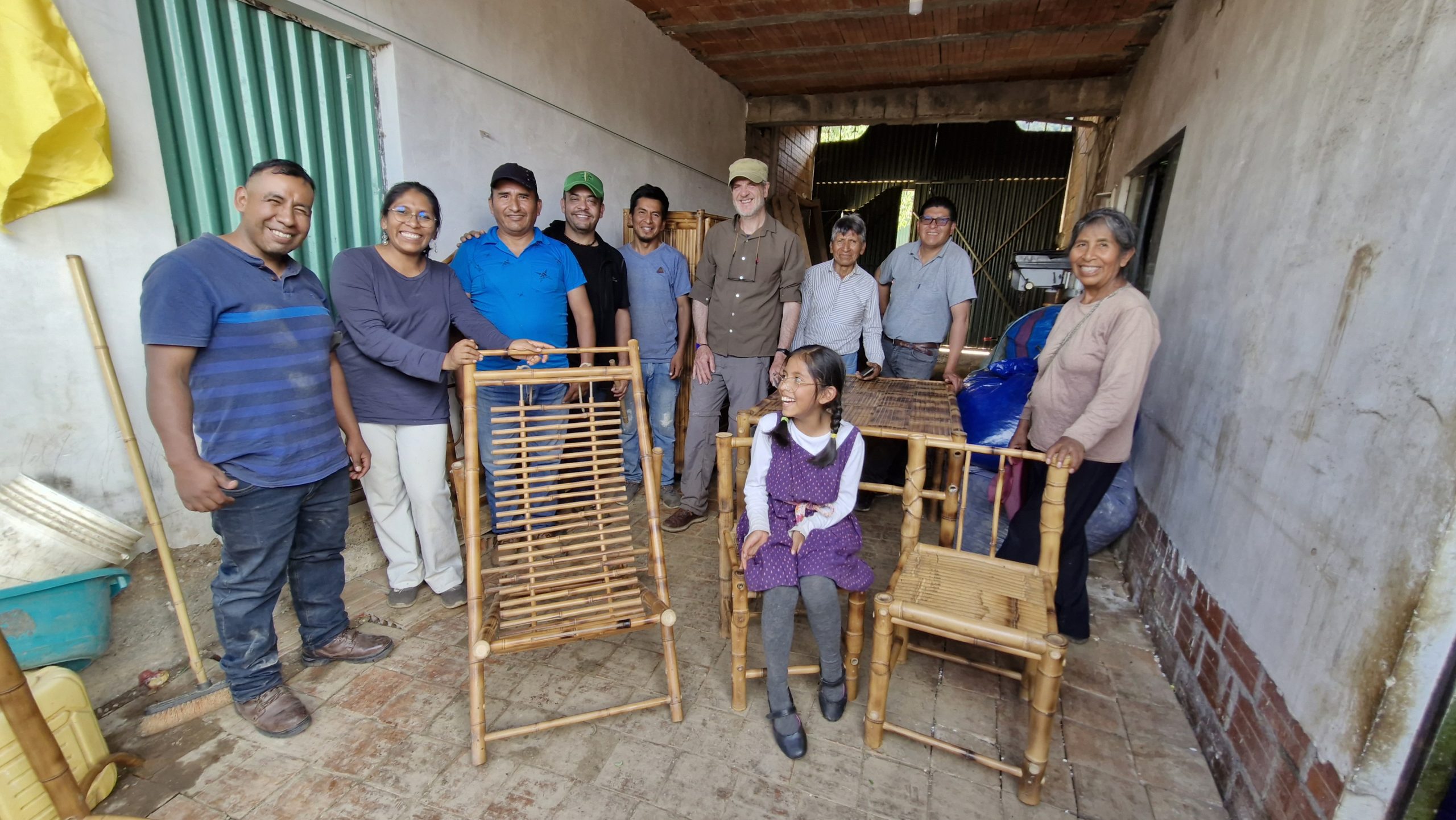
INBAR’s exhibition booth featured a range of bamboo-based products developed by beneficiaries of projects across Africa, Asia and Latin America. The display attracted significant interest from government representatives, international organizations, and other stakeholders. A notable highlight was the visit of Dr. Alvaro Lario, President of the International Fund for Agricultural Development (IFAD) — a long-standing INBAR partner. Earlier in 2024, INBAR and IFAD signed a Letter of Intent to strengthen their collaboration, underscoring their shared commitment to sustainable development.
INBAR’s participation at COP16 reinforced bamboo’s transformative potential for addressing desertification, land degradation, and poverty while advancing green growth. By fostering innovation, building partnerships, and promoting policy frameworks, INBAR continues to drive impactful solutions for a sustainable future.