 News
NewsThe Second International Young Scientist Forum: Bamboo Resources in a Changing Climate

Forum brings together global youth to highlight bamboo as an ally in the fight against climate change.
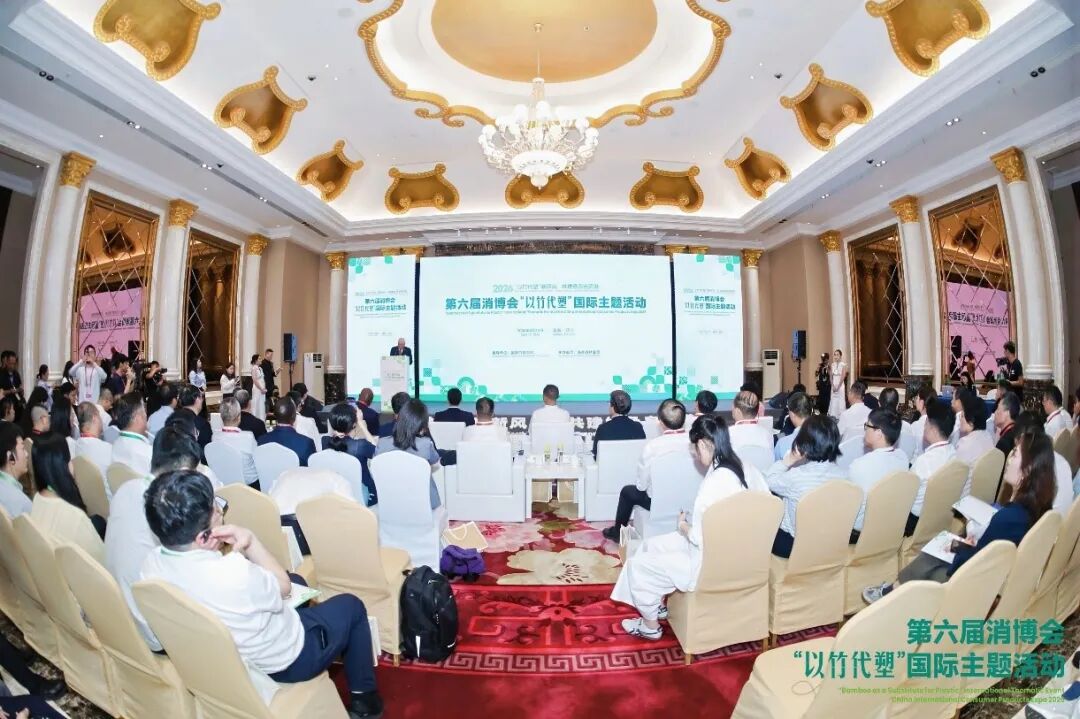
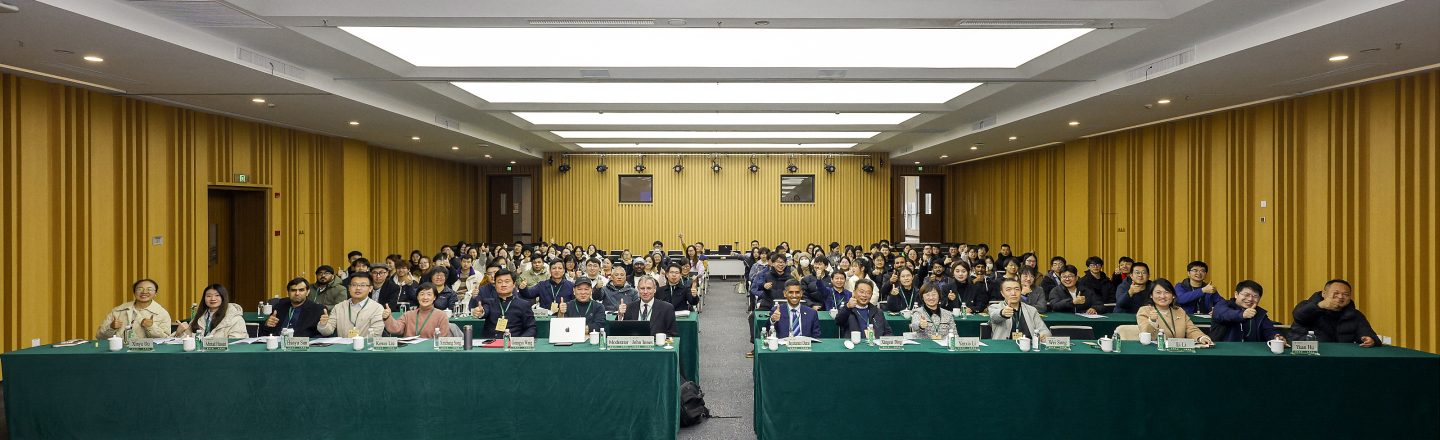
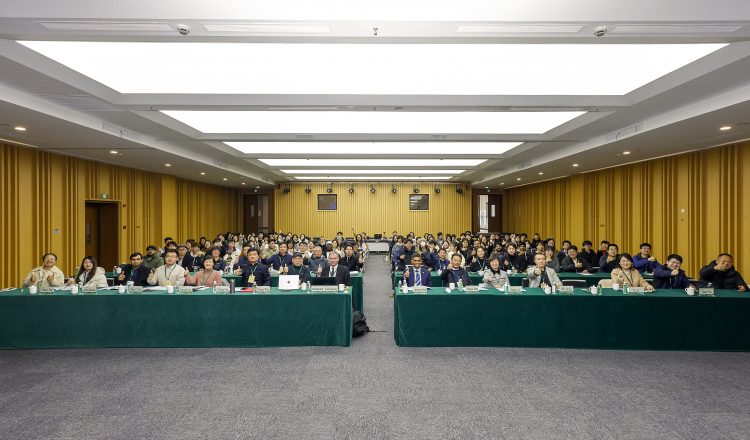
On 12 December 2024, the Second International Young Scientists Forum, jointly hosted by the University of British Columbia (UBC), Zhejiang Agriculture and Forestry University (ZAFU) and INBAR, opened in Hangzhou with the theme of “Bamboo Resources in a Changing Climate.” The forum was dedicated to investigating bamboo-based solutions to address the urgent issue of global climate change, emphasizing the crucial role of young scientists through a combination of online and offline approaches.

Song Xinzhang, Dean of the Bamboo Industry Institute at ZAFU, attended the opening ceremony of the forum and delivered a speech. He stated that bamboo holds significant potential to enhance forest carbon sequestration, mitigate climate change and achieve carbon neutrality. To investigate and address the issues hindering the high-quality development of the bamboo industry, to facilitate its high-value development and to fully leverage the role of technological innovation in promoting rural revitalization and shared prosperity are the missions of bamboo industry researchers and the responsibilities of the Bamboo Industry Institute. It is anticipated that through the organization of this Young Scientist Forum, scholars and experts will engage in mutual learning, exchange diverse perspectives, draw upon each other’s experiences, forge a consensus for development and elevate the global standards of bamboo research and utilization.
Rob Kozak, Dean of the Faculty of Forestry at UBC in Canada, highlighted in his opening remarks that bamboo represents a renewable resource with significant potential to substitute for plastics, mitigate deforestation and enhance soil health. Harnessing this multifaceted potential, however, hinges on rigorous research, collaborative efforts and innovative thinking from the next generation of scientists. The focus of this year’s Forum extends beyond bamboo to encompass strategies for addressing the paramount global challenge that is climate change. He hoped that discussions at the conference centered around bold questions and novel ideas, and that participants would forge new partnerships with each other based on shared passion for sustainable development. This can powerfully shape how bamboo is utilized around the world.

Lu Wenming, Deputy Director General of INBAR, also delivered a video address at the opening ceremony, highlighting the significant role of bamboo in addressing climate change. He emphasized that bamboo provides a wide array of climate-smart mitigation and adaptation strategies, such as renewable and locally sourced energy, durable construction materials, rapid soil restoration, diverse industrial products, plastic substitutes and ecosystem services. INBAR aims to develop and promote innovative solutions to poverty and environmental sustainability using bamboo and rattan. Lu mentioned that INBAR and its 51 Member States are calling for strengthening the role of bamboo in national, regional and global policies, to assist the countries of the Global South in achieving the UN 2030 Agenda for Sustainable Development.
The forum ultimately sought to gather young scientists from around the world, including graduate students, postdoctoral fellows and young professors, to delve into the potential of bamboo as a climate change solution. The forum explored a range of topics, including bamboo livelihoods and rural development strategies, climate change mitigation strategies, sustainable management practices, emerging bamboo-related technologies and businesses and biodiversity conservation. Furthermore, the journal Advances in Bamboo Science will introduce a special issue with the same title as the Forum, aiming to encourage participation and presentation of research by young scientists from across the globe.