 News
NewsINBAR participates in key committee on global plastic pollution

Boy collects plastic bottles atop bamboo. Credit: Kyaw Zay Yar Lin.
INBAR is advocating for the inclusion of bamboo into a legally binding international treaty on plastic pollution.
The 21st century is no stranger to plastics. Ubiquitous in our lives with applications in packaging, construction, textiles, and other consumer products, they help deliver many goods and services that make the modern world run smoothly.
However, by now, everyone is well aware of their drawbacks. Over the last fifty years, billions of tons have ended up in landfills or discarded in natural environments, wrecking terrestrial ecosystems and seeping chemicals into soils on which we grow our crops, posing a serious environmental, social and economic threat. Plastic waste has also choked out ocean life, leading to sharp declines in marine biodiversity and severely damaging aquatic ecosystems. Largely produced by fossil fuels, plastics have also been catastrophic for accelerating climate change.
As these plastics break down, they form microplastics that contaminate the foods we eat every day. Though the science behind microplastics is not yet well understood, many researchers believe that microplastics could exert negative effects in our bodies, leading to irritation and disruption of normally functioning systems. Complicating the picture is that plastics are often used alongside harmful chemicals, like plasticizers, stabilizers and pigments, which are hazardous when ingested.
It is clear that urgent global action is needed, particularly given the transboundary nature of the problem across food chains, human health and biodiversity protection. To combat the growing crisis, the Intergovernmental Negotiating Committee (INC) was established to develop an international legally binding instrument on plastic, including in the marine environment.
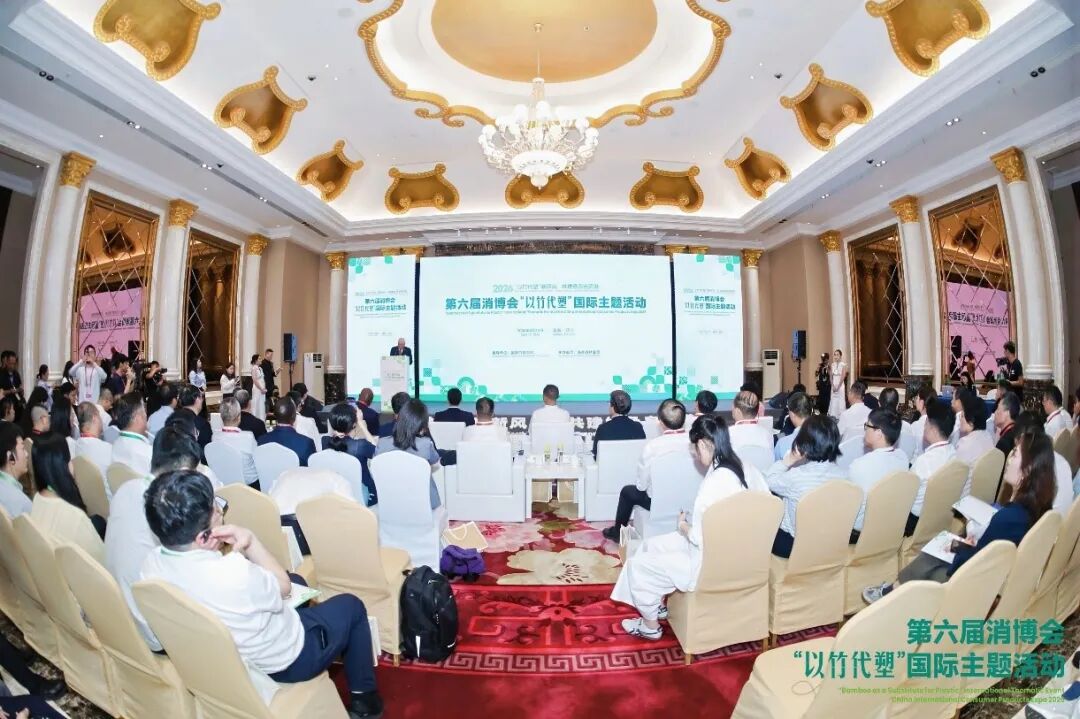
The first session of the INC convened on 28 November 2022. INBAR participated in the meeting, submitting a written statement alongside other international organizations in attendance. The statement makes the powerful case for the capacity of bamboo to act as a green alternative material to curb plastic pollution, drawing attention to the Bamboo as a Substitute for Plastic Initiative co-launched by INBAR and China at the Second Global Bamboo and Rattan Congress (BARC 2022). The initiative will strengthen the usage of bamboo as a green alternative to plastics to address the twin problems of plastic pollution and climate change while contributing to the Global Development Initiative (GDI), building on China’s work on the full-chain management of plastic products, where some success has been achieved.
In its own released statement, China expressed the hope that the legal instrument on plastic pollution will be problem-solving in nature, focus on plastics that are easy to leak into environments, adopt control measures for different types of plastics, and strengthen recycling and safe disposal. In addition, the statement also reiterated the importance of considering different conditions and capabilities across countries for implementing such a legal instrument to ensure fairness and common but differentiated responsibilities. China will play a key role in working with all stakeholders to build consensus and finalize the treaty.
INBAR, as an intergovernmental organization hosted by China with 49 Member States largely found across the Global South, is ideally situated for involvement in the design of an international legally binding instrument on plastics and its subsequent implementation. This is because bamboo, as a green, low-carbon, fast-growing, renewable and degradable biomass material, can play a unique role in not only addressing global challenges like plastic pollution but also climate change, poverty alleviation and ecological restoration. INBAR has already began to work with stakeholders from China and other Member States to implement an action plan to support the achievement of the goals established in the Bamboo as a Substitute for Plastic Initiative.

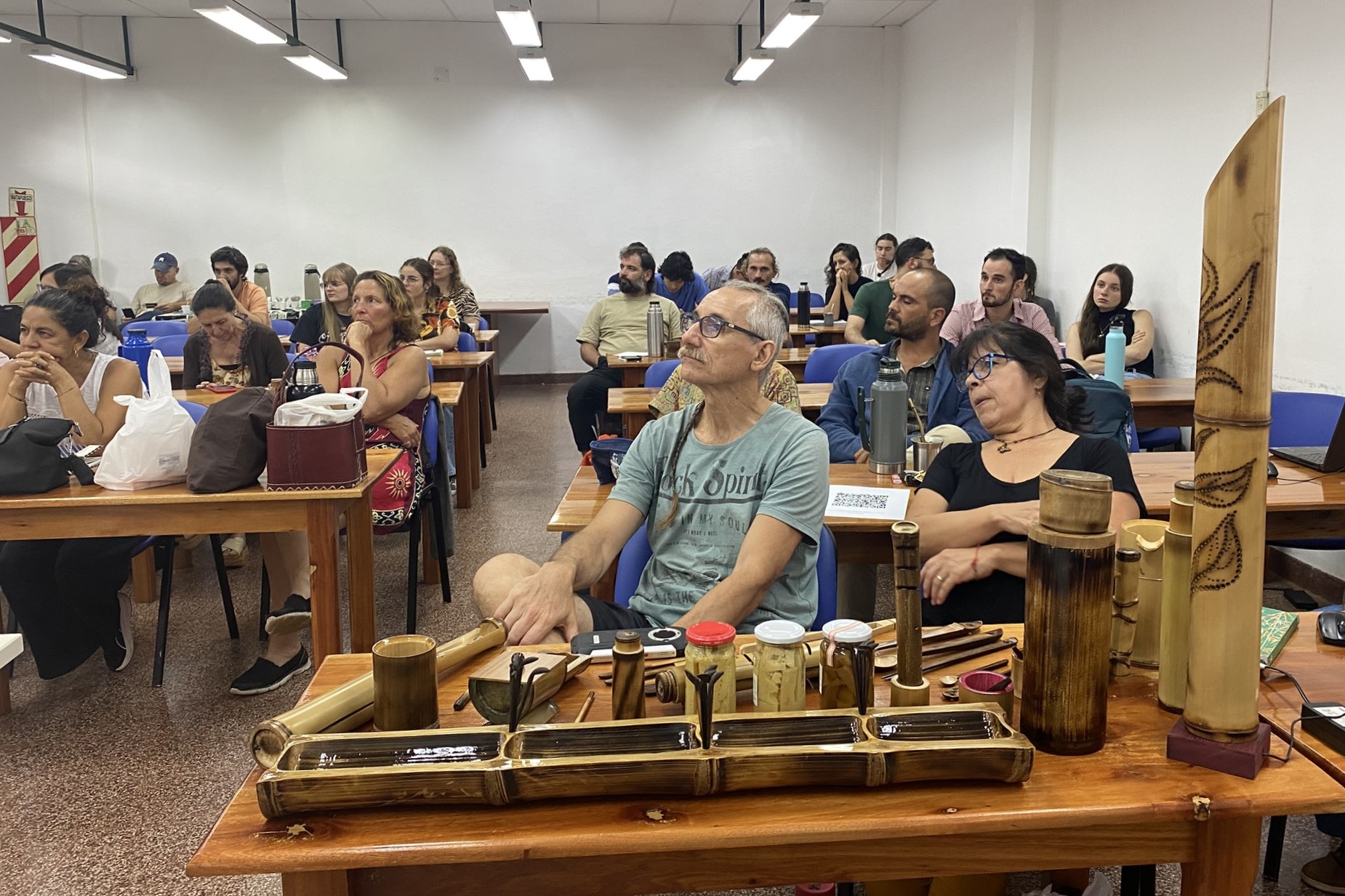
Tableware and kitchenware are just some of the products that can be made with bamboo.
Given the ubiquitous nature of plastics, it is unrealistic to believe we can wholly eliminate them from our lives. However, we can strategically reduce their usage with more sustainable alternative materials. New technological innovations have now opened up a variety of sustainable bamboo-sourced products, from tableware, single-use items, daily-use products, and packaging materials to diverse applications in cooling towers and winding pipes as well as alternatives to PVC. As interest in plastic alternatives continues to increase, particularly in developed countries where responsible consumerism is a growing market trend, new innovative products and applications will continue to emerge to mitigate the presence of plastics on our planet.
INBAR has a long history of using bamboo as a green tool for lowering our dependency on plastics and mitigating the effects of climate change, from raising awareness at COP 25 regarding the potential of bamboo for meeting climate change commitments in developing countries, speaking at the International Plastic Ban Industry Forum about the exciting new possibilities for bamboo use, advocating for the role of bamboo as an alternative to plastics at the 2021 China International Fair for Trade in Services, to promoting bamboo as a green alternative material at COP 27. INBAR is committed to the goal of the INC to develop a legally binding instrument abided by countries around the world to solve the transboundary problem of plastic pollution, and looks forward to working with UNEP and other partners on the Committee to advocate for the role of nature-based solutions, particularly those flowing from bamboo, for addressing the scourge of plastic accumulation.
INBAR’s complete written statement submitted to the Intergovernmental Negotiating Committee (INC) can be found here.