 News
NewsBamboo jewelry brings ‘abundance and prosperity’ to Amazonian women

In Peru, one women’s association is promoting a new approach to business based on environmental conservation and community well-being.
The Río Soritor community in Awajún District is encircled with lush forests and stunning landscapes. Located in the Peruvian Amazon, the area is home to a wide variety of tourist locales. But recently, it has become well known for another thing: The handmade products of its inhabitants.
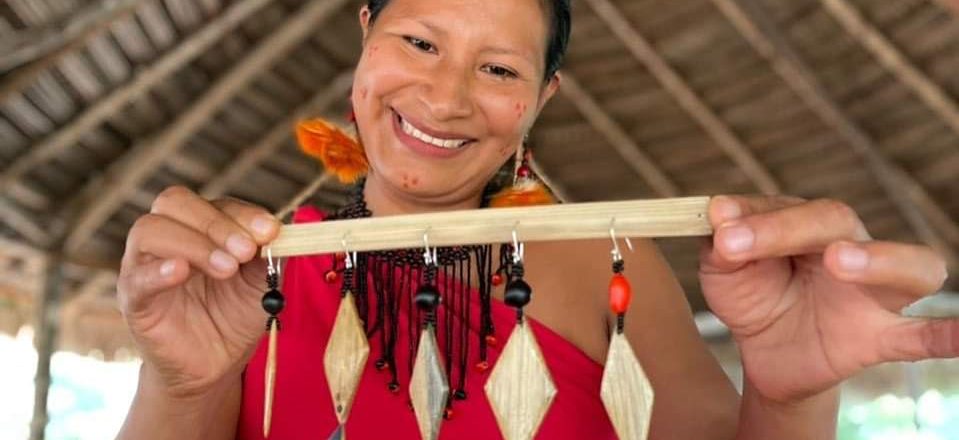
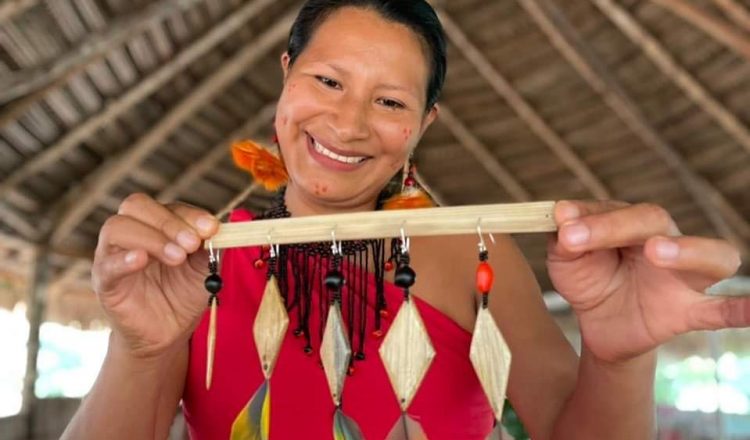
Bamboo jewelry produced by members of the Tajimat Women’s Association in the area is now treasured by locals and outsiders alike. And, the local women who live in harmony with their neighboring biodiversity are also getting a boost in their local economy, while also showing the world that economic stimulus can also coexist with forest and resource conservation. In this, it is truly living up to its name “Tajimat,” meaning “abundance and prosperity” in the local language.
One of the enterprises that is committed to breaking free from the traditional restraints of conventional industry and generating unique handmade jewelry with history, identity and connection with nature is called Yanua Biojoyería Awajún. Yanua Atamain, owner of the local business, said that her company employs 14 women from the area under the Bambuzonía project. The project benefits from generous financing from the International Fund for Agricultural Development.

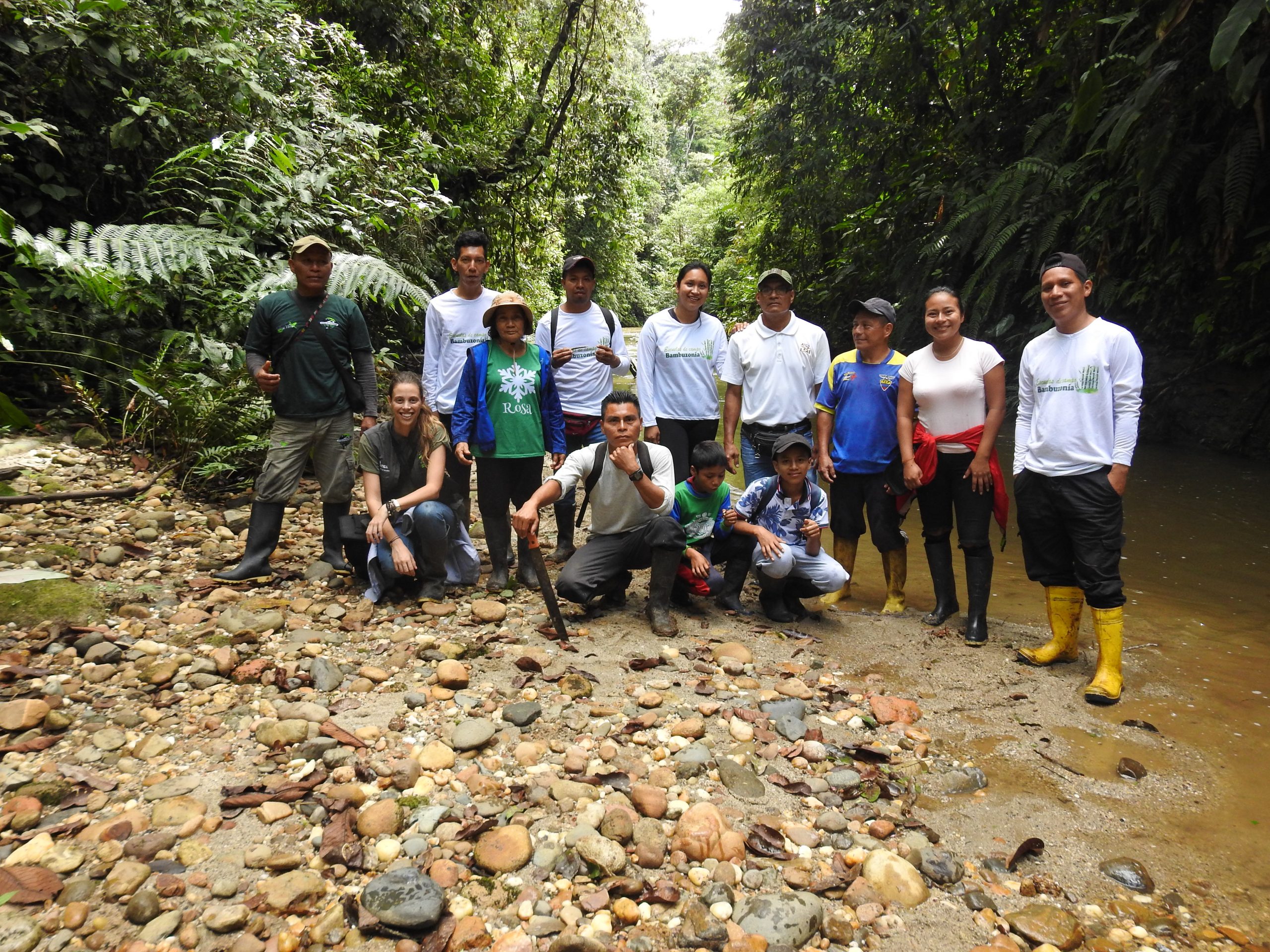
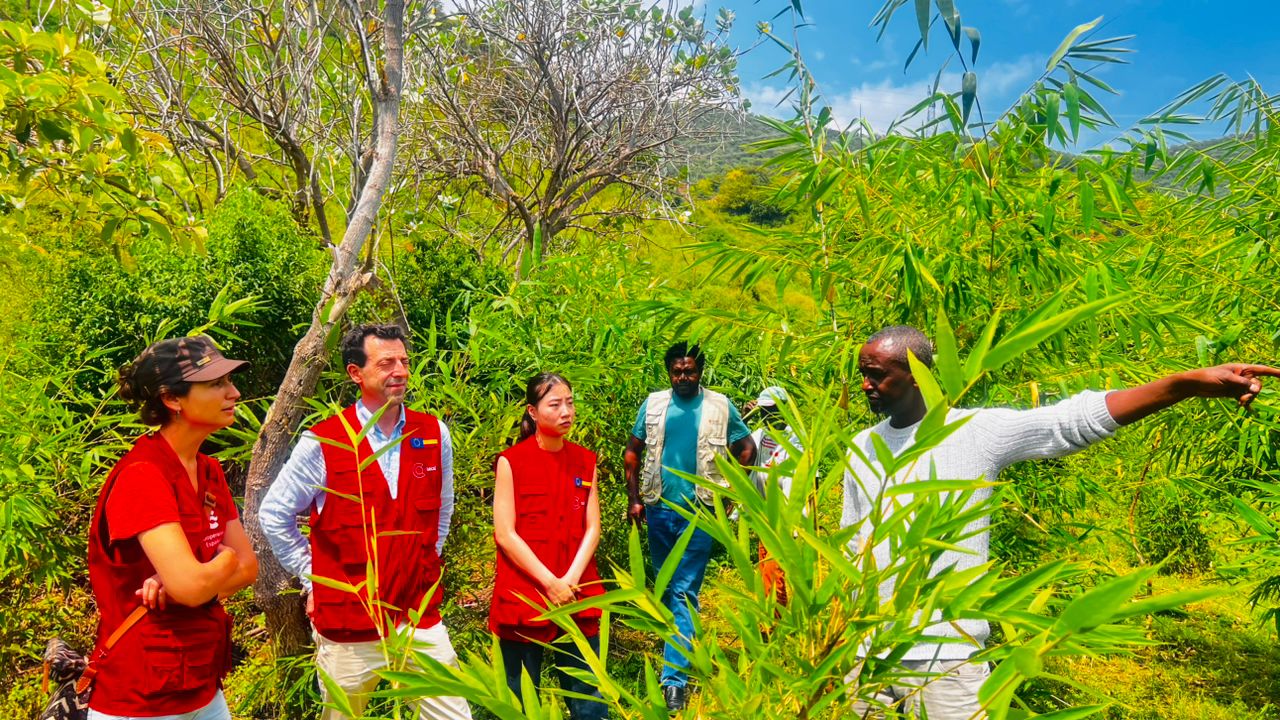
Awajún women with staff from the INBAR Latin America and the Caribbean Office.
Handmade, artisanal and sustainable
The idea of this business model first arose in 2015, with the aim to generate a self-sufficient economy without losing its local regional identity while operating under guidelines that safeguard the environment. In that same year, Atamain, together with members of the Tajimat Women’s Association, began to use more than 20,000 species of native flora, including bamboo, in restoration efforts throughout the area.
In 2021, a vital new partnership helped link this forest resource to their jewelry-related crafts. “That year, the Economic Development Sub-Administration of the Municipality of Awajún connected us with the Bambuzonía project,” said Atamain. “This project has taught us about the benefits of bamboo. Though some of its uses have disappeared in our culture, we are now re-discovering our roots.”
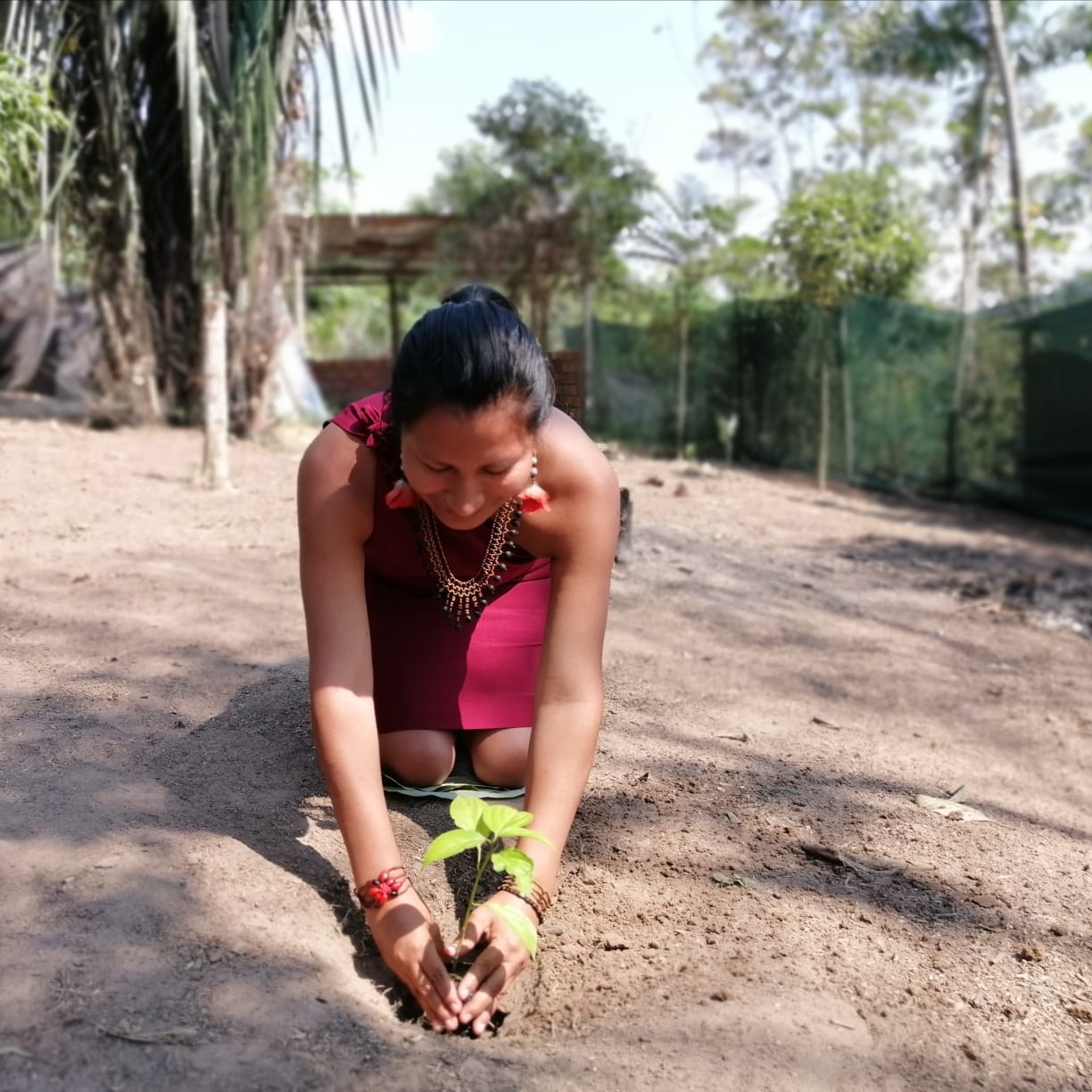
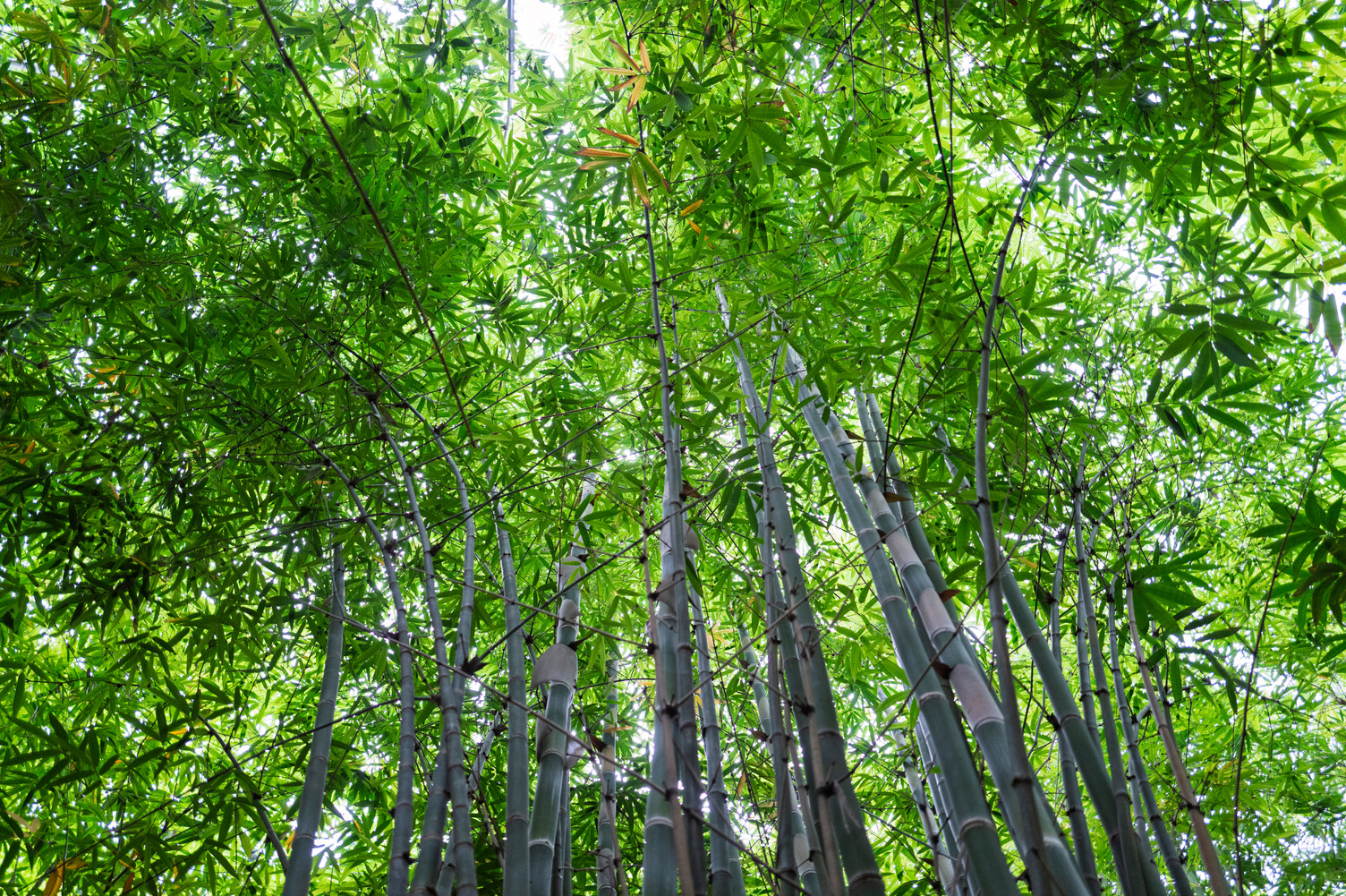
Atamain and locals in the area have conducted reforestation activities in the area.
Awajún thinks bamboo
The COVID-19 pandemic had serious consequences for people and economies around the world, especially those in rural areas like Awajún. For this group of women, the common challenge helped unite them to consolidate their craft and expand their works into new marketplaces.
“We needed to become more organized. It was essential we find a long-term market for our traditional jewelry crafts because selling sporadically within our community did not deliver a sustainable stream of income,” she pointed out.
Perfecting their techniques and finishings were two critical areas of focus for this group of entrepreneurs, as well as providing added value to their creations.
“Our clients all admire the finishes and iconographic details found on our jewels, and that has been a real boost in our new adventure with bamboo,” she said.
Identity and connection with nature
In the fashion sector, it is currently in vogue to integrate more sustainable materials into product roll-outs. In general, this sector offers more options for conscious consumption. The jewelry sector has potentially lagged behind, given that it relies on costly and damaging techniques for extracting raw materials, missing out on capturing new sustainable consumers.
Atamain and her colleagues realized this opportunity and have risen to the occasion, helping increase awareness among Peruvians that the most efficient tool to combat climate change, bamboo, is right at their doorstep, while also re-inventing a new identity for their community in the process. Each piece made with bamboo seeks to connect the wearer with a small piece of nature, contributing to more beauty in the environment and encouraging more responsible consumption practices.
And now, the introduction of new technology is helping to streamline the production process.
“Before, when we lacked tools and machinery, it took about a week to make a dozen earrings. And these were basic designs without natural dyeing. Now that have access to a new workshop, we can explore more models and dyes at the same time,” she said.

Awajún women display a wide variety of bamboo jewelry.
Meticulously crafted pieces
For Atamain, each mark of fine detail is done with painstaking care, and must be adjusted based on model type and quantity. For this reason, she is careful with the sourcing of the bamboo, preparation of the sketch, manufacture of the product as well as final finishing and assembly. She abides by the saying that the “master is known by her work,” believing that their jewelry is a physical and artistic representation of their community.
Their products have already traveled to destinations across the country, spreading awareness of their community’s innovative approach to business that combines economic savvy with ecological stewardship. “The acceptance rate is quite high for our innovative products. No other handmade bamboo jewelry has been seen in the region developed from the community,” she said.
In addition to this, the young entrepreneur pointed out that pieces ranged between USD 10 to 50 depending on model and design. The venture ultimately seeks to breathe fresh life into fashionable jewelry with inputs from the forest like bamboo and natural seeds. These undergo transformation by hand to create a work of artistic and fashionable merit while creating a circular, ecological, responsible and sustainable economy. Importantly, this type of economy is self-sufficient in the territory, and can deliver higher standards of living in the remote region.
Atamain has a motto: Keep dreaming and stay strong. She applies it daily in her work as she continues to build her business, encapsulating a communal ethos of effort and perseverance by which she strengthens members in her community while also broadening the perspectives of outsiders who to see the potential for artisan workmanship in the area that uses environmentally friendly products. It is through these works of art that the creativity and soul of the women from Awajún are truly creating abundance and prosperity.