 News
NewsBambuzonía project arrives in India

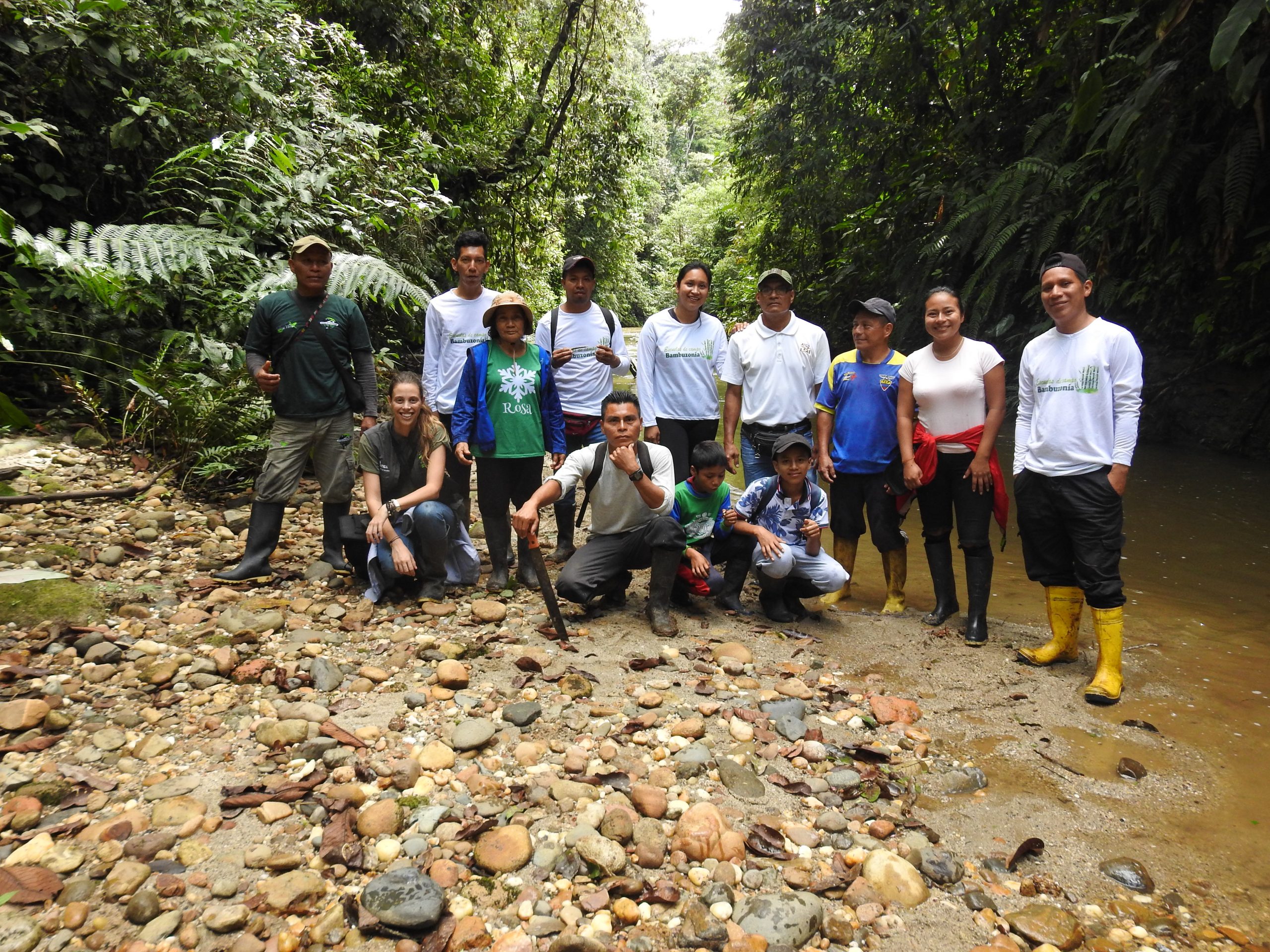
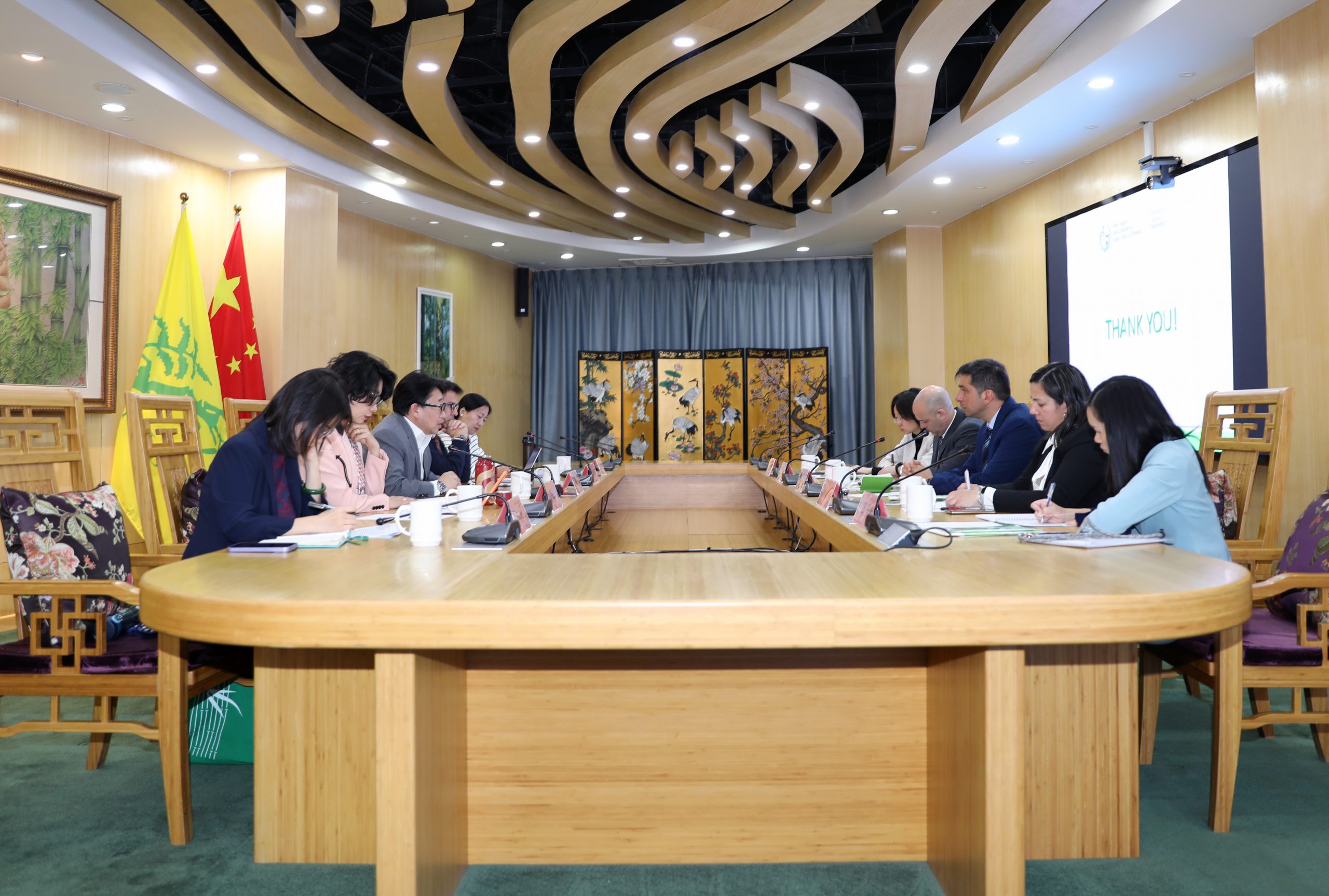
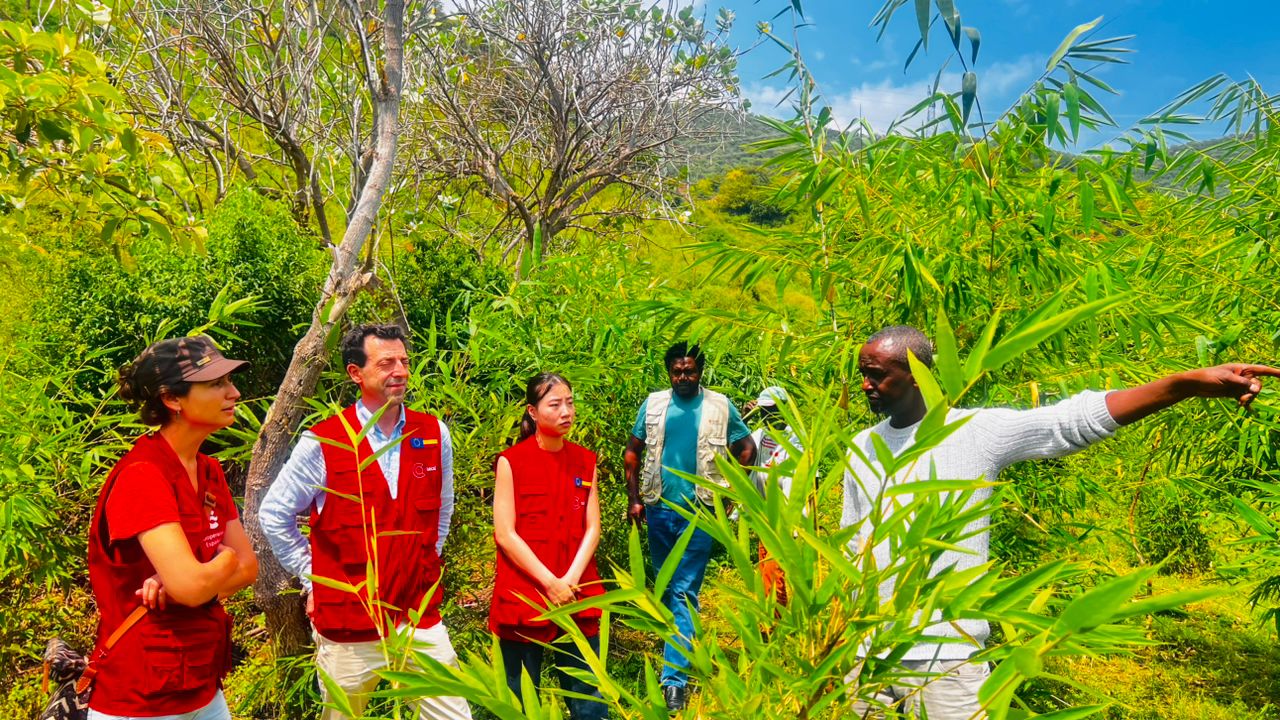
Participants of the Bambuzonía project and members of the INBAR team in Latin America and the Caribbean traveled to different parts of India to learn more about the potential of bamboo.
International study tours are critical tools for enabling peer-to-peer learning. They help facilitate the transfer of knowledge and skills across country borders, providing a platform for sharing best practices and lessons learnt between stakeholders who may face similar challenges and have undergone complementary development experiences.
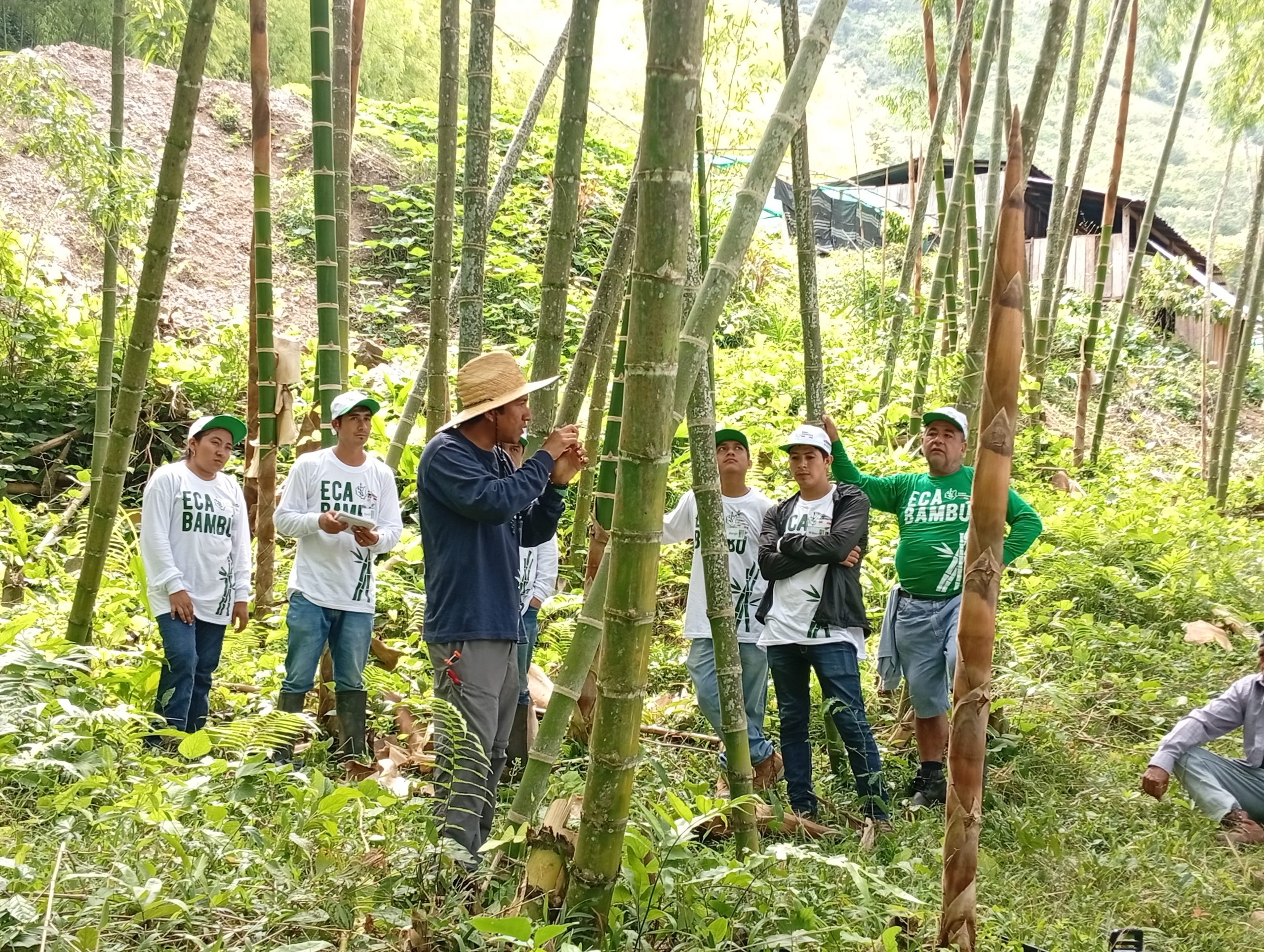
From 13 to 21 March, a delegation from Latin America and the Caribbean embarked on a study tour to achieve just that. Embarking across India to learn more about how the country is utilizing bamboo, the tour fit within the framework of the project Innovation and Promotion of bamboo Through Research-Action Processes for Resilient Agriculture in Colombia, Ecuador and Peru – Bambuzonía, which is funded with generous support by the International Fund for Agricultural Development (IFAD). The delegation featured leaders from indigenous communities, entrepreneurs, directors, technicians from institutions in Colombia, Ecuador and Peru as well as members of the INBAR team in Latin America and the Caribbean.
Delhi was the first point visited by the participants. There they toured the INBAR South Asia Regional Office and received information about the bamboo industry. For Martha Lucía Castañeda, National Technical Secretary of Forestry, Rubber and Guadua Chains of the Ministry of Agriculture and Rural Development of Colombia, this experience further strengthened her knowledge about the resource. “This exchange stimulated analysis and reflection on the policy instruments that can be developed in Colombia in order to accelerate the processes for the development of the value chain and promotion of private investments,” she added.
For her part, Dary Aguinda, President of the “Amukina” Kichwa Women’s Association of Napo in Ecuador, indicated that this tour allows them to expand their knowledge base of the resource and value it even more in their communities. “We are going to open up more opportunities for the magical and skillful hands of our Amazonian women. We are capable of persevering and never giving up,” she pointed out.

The study group visited research centers across India.
The next stop on the journey was the city of Dehradun. It was here that they attended the Forest Research Institute (FRI), the Indian Institute of Soil and Water Conservation (IISWC), the Indian Institute of Soil and Water Conservation (IISWC) before ending with a visit to several manufacturing centers of bamboo products.
Freddy Gerónimo Chumpate, indigenous leader of the Kanuja organization in Peru, had this to say about the experience: “This is the first time I’ve left the country,” he said. “All the visits we’ve made have shown us new ideas we can implement into our Amazonian communities as economic alternatives.” His words revealed the importance of co-learning for strengthening the bond and resolve within the community.

Freddy Gerónimo Chumpate, indigenous leader of the Kanuja organization together with Raphael Paucar, Bambuzonía project coordinator in Peru.
Continuing with the tour, the next stop was the city of Guwahati. Here the participants visited the Northeast Cane and Bamboo Development Council (NECBDC), where they had the chance to interact with technical experts before visiting bamboo enterprises in the area.

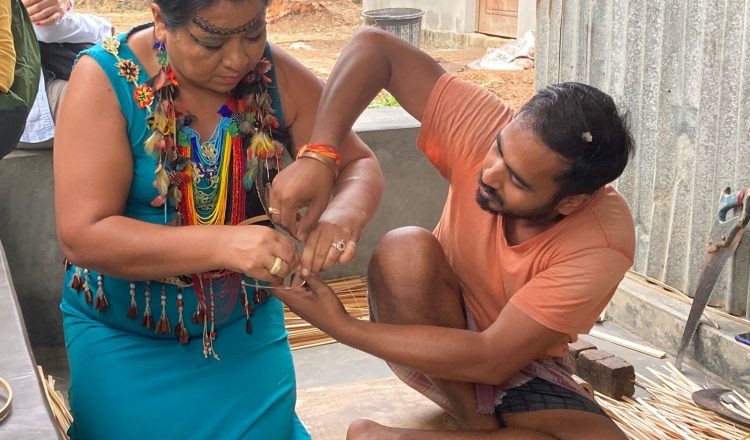
Technicians from India exchanged experiences with stakeholders from Colombia, Ecuador and Peru.
For Denix Villanueva, Technician of the IFAD-funded and INBAR-executed Bambuzonía project in Colombia, this space allowed for nurturing and sharing knowledge about the resource. “Bamboo is a green alternative that can contribute to ending poverty. It delivers income to communities and presents opportunities for improving people’s quality of life,” he reflected.
Across the entire duration of the trip in which private companies, multi-sectoral institutions and large research centers were visited, each participant came away with new knowledge about the state of India’s bamboo ventures, the transformation of the industry, commercialization of the plant as well as its use and cultivation, all of which holistically contribute to building a green economy.
Carlos Falconí, Manager of the Bambuzonía project, explained that the trip will further strengthen the pathways for technological transformation for people and communities. “Now, we have a clearer understanding of how to do this type of business and how to continue working with people while we all grow together,” he said.

Delegation from Colombia, Ecuador and Peru visited India to learn more about bamboo utilization in the country.
In Latin America, awareness continues to grow for bamboo as a multifunctional nature-based resource for meeting a plethora of economic and ecological goals, not only mitigating the harmful effects of climate change but also functioning as a linchpin in sustainable strategies for rural development, environmental conservation, and ultimately, keeping the planet green and clean.